
“I can’t imagine.”
It is one of the most common phrases we reach for when something feels too painful to fully process. It sounds empathetic. It feels supportive. But psychologically, it also creates distance. It protects us from having to sit with something frightening.
In marketing, that instinct matters.
Because when the subject is deeply uncomfortable, audiences do not lack awareness. They often lack willingness to stay with it.
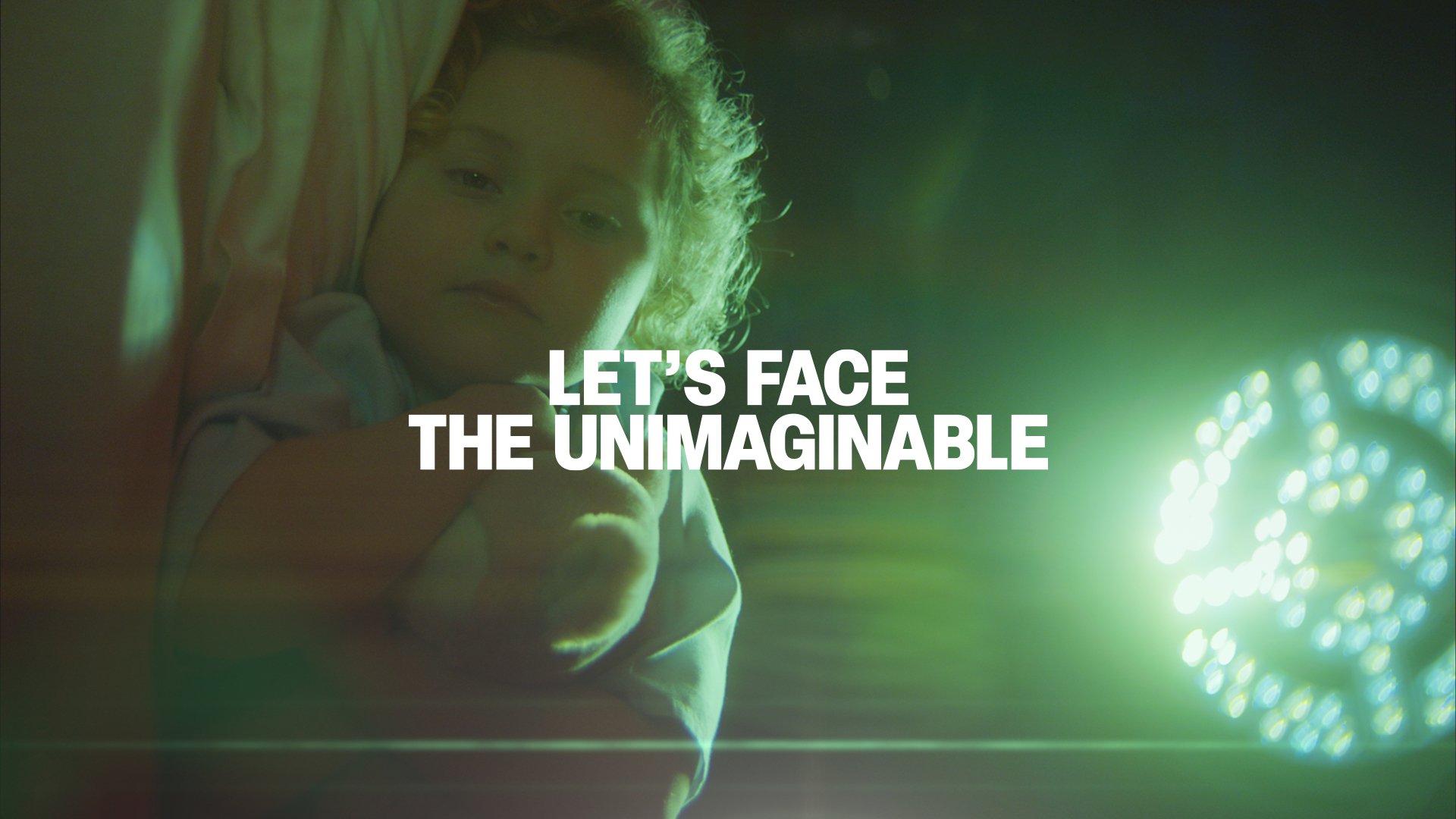
Childhood Cancer Canada’s new national platform, “Let’s Face the Unimaginable,” created by The Garden, is built on that insight.
It challenges the reflex instead of accepting it.
Because maybe “I can’t imagine” is not enough.
It is difficult to watch. It is meant to be. That discomfort is part of what makes it honest.
The Psychology of Looking Away
When someone tells us their child has cancer, we instinctively soften our language. We say, “I can’t imagine.” It signals care. But it also closes the door.
Discomfort is destabilizing. When people feel overwhelmed, they withdraw. They rationalize. They shift the focus. They protect themselves emotionally.
For a cause like childhood cancer, that instinct becomes the biggest barrier.
Right now, more than 10,000 families in Canada are caring for a child with cancer. An average of six children are diagnosed every day. More than 60 percent of survivors will face long term physical or mental side effects.
Canadians know childhood cancer exists. What many do not fully confront are the ripple effects. Job loss. Financial strain. Relocation. The emotional toll carried by siblings. The reality that treatment is often not one moment, but years of uncertainty.
The hero film, directed by Jason van Bruggen of Suneeva, features real CCC families at different stages of treatment and recovery. It was shot with a deliberately small crew, and the intimacy shows. The moments feel quiet and unguarded.
The film is powerful, but what makes it resonate is not the craft. It is the lived reality behind it.
It does not feel like an advertisement. It feels like being trusted with someone’s truth.
Forcing Imagination Without Imagery
The out of home work extends the psychological tension.
There are no photographs. No hospital scenes. No emotional close ups.
Instead, stark copy:
“Imagine your child needs a second round of treatment.”
“And you need a second mortgage.”
By removing imagery, the campaign removes distance. It leaves space for the audience to project themselves into the scenario.
If people say they cannot imagine, the work gently insists that they try.
It is a confident decision in a category that often relies heavily on visual emotion. Here, restraint becomes the amplifier. The discomfort does not come from shock. It comes from recognition.
Moving Beyond the Moment of Diagnosis
There is another shift happening here, and it is subtle but important.
Childhood cancer is often portrayed as a single devastating moment. A diagnosis. A hospital stay. A headline. This platform widens the lens.
Childhood Cancer Canada supports families through financial assistance, psychosocial programs, community events, survivor scholarships, and research funding. In 2024–25 alone, the organization raised more than $2.5 million to directly support 1,285 families across Canada.
But the campaign does not centre on institutional impact. It centres on lived experience. On what families carry long after public attention fades. It reframes childhood cancer not as an isolated tragedy, but as an ongoing reality that reshapes entire households.
What This Means for Marketers
There is something here that extends beyond one campaign. We spend a lot of time in marketing talking about attention spans and algorithms. We spend less time talking about what people do emotionally when something feels overwhelming.
When audiences instinctively distance themselves from a message, the solution is not always louder storytelling. Sometimes it is naming the avoidance itself. This campaign does not sensationalize. It does not manipulate. It does something more difficult. It asks people to sit with discomfort.
That is not just a creative strategy. It is a psychological one. Empathy, on its own, can stop short. It allows us to feel without necessarily doing anything. Confrontation, handled with care, can move us closer to responsibility. For thousands of families across Canada, this is not a campaign. It is their daily reality.
“Let’s Face the Unimaginable” reminds us that the hardest stories to market are often the most important ones to tell. And sometimes the most powerful shift begins when we move from “I can’t imagine” to simply trying.
About Childhood Cancer Canada
Childhood Cancer Canada is the leading national charitable organization dedicated exclusively to children with cancer and their families. Beyond funding critical research, CCC provides direct financial assistance, psychosocial support, community programming, survivor scholarships, and care packages for newly diagnosed children.
To date, the organization has invested millions into pediatric cancer research, clinical trials, survivorship studies, and long term family support programs across Canada.
For the families they serve, the work does not end at diagnosis. It continues through treatment, recovery, and the years that follow.
To learn more about Childhood Cancer Canada or support families facing childhood cancer, visit childhoodcancer.ca and consider making a donation.
