The Etsy Fur Ban Has an Exemption. Canada Doesn't Qualify.
Every brand that's ever leaned entirely on one platform learns the same lesson eventually: the rules aren't yours, and they can change on someone else's timeline. Right now that lesson is landing on Canadian fur artisans, most of them Indigenous, most of them in communities where Etsy isn't a nice-to-have, it's close to the only storefront they have. It's the same mechanism behind every “the algorithm changed" story MNC has ever covered. This time the stakes are a livelihood, not a reach number.
Etsy's new fur policy takes effect August 11. Products made from or containing natural animal fur, from mink to fox to raccoon dog, are banned outright, no vintage exemption, no age cutoff. There's one exception: sellers registered with the U.S. Indian Arts and Crafts Board, a federal registry that legally recognizes and protects Native-made goods, can keep selling. Canadian sellers don't get that exception. Not because Etsy singled them out, but because no equivalent registry exists here. Canada has never passed the law that would let Indigenous artisans and their traditional practices be formally recognized this way, so when Etsy built its exception around the one legal framework that exists, there was nothing on the Canadian side to plug into.
What's changing, and why now
The ban covers raw pelts, finished garments, accessories, anything made with real fur from mink, fox, rabbit, badger, coyote, or raccoon dog. Leather, sheepskin, wool, and taxidermy aren't affected. It followed a 58-day pressure campaign by the Coalition to Abolish the Fur Trade, including a staged disruption of Etsy CEO Kruti Patel Goyal's live presentation at the Morgan Stanley Technology, Media & Telecom Conference in March. Etsy calls it part of its “ongoing biodiversity efforts." The timeline suggests it was also a way to make a persistent problem go away.
Doug Chiasson, executive director of the Fur Institute of Canada, was blunter about it in an interview with CTV News Ottawa: “This really was pressure from anti-fur groups that pushed Etsy to say, ‘It's not worth our time and effort to put up with the harassment that we get,' without thinking of the very real impacts that banning fur will have on rural and remote communities, on makers, on artisans, on vendors, on the platform and on Indigenous communities." That's the marketing story underneath the policy story: a platform optimizing for its own reputational risk, absorbed by the sellers with the least leverage. Etsy did not respond to requests for comment on the policy from CTV News, the Canadian Press, or CBC.
More than a material
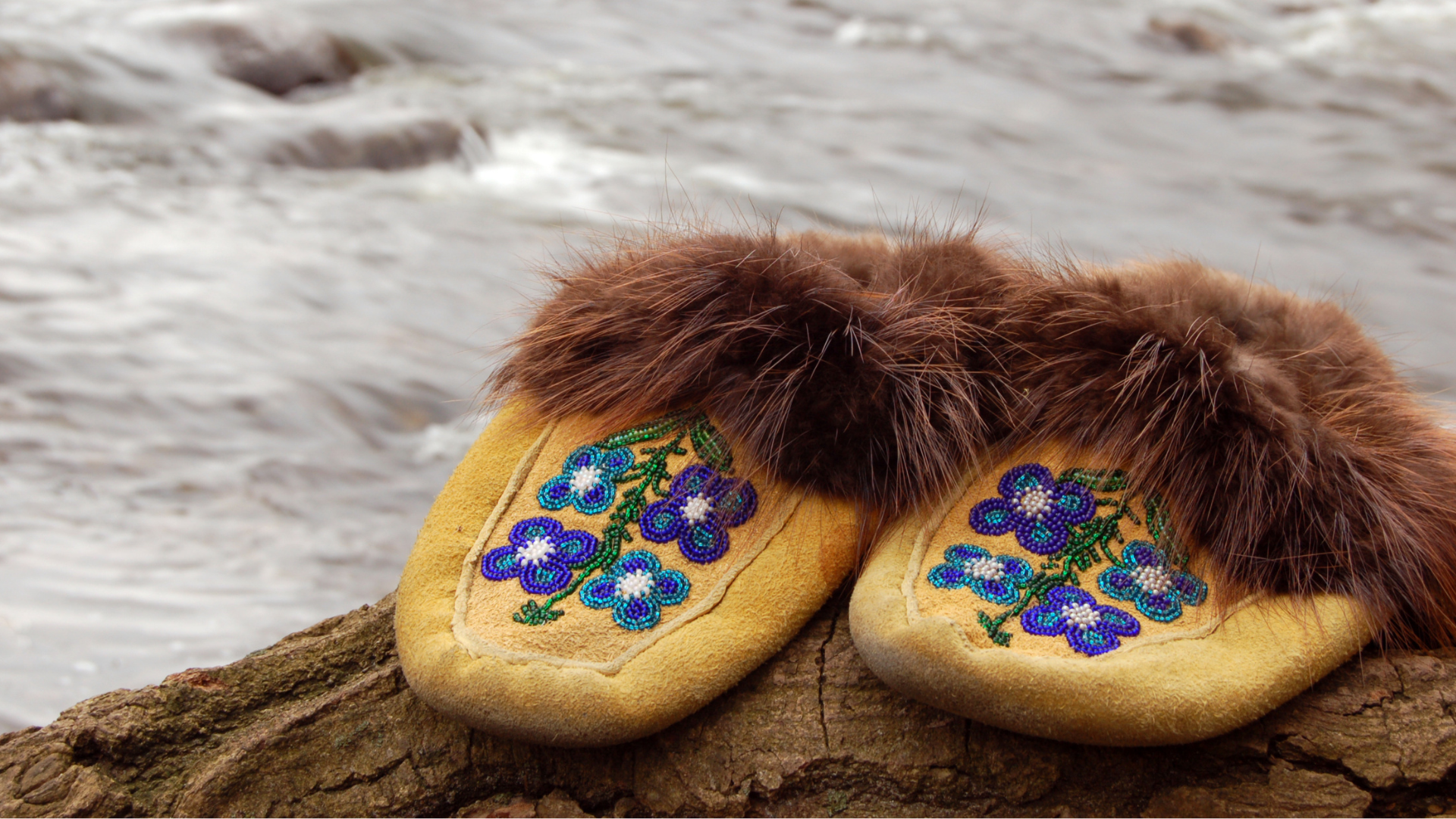
Fur, here, isn't inventory in the way a retailer thinks about inventory. For Indigenous artists, it's closer to language. Manitoba artisan Shauna Fontaine, who works with weasel, mink, fox, skunk, sealskin, and caribou through her brand Anishinaabe Girl Designs, described it to CTV News Ottawa as a way of storytelling through visual art, using the minimum material she needs as a way of honouring the animal itself.
That relationship to the land, not just the material, is what Chief Jenny Brake of the Qalipu First Nation in Newfoundland and Labrador pointed to when she introduced a resolution at this year's Assembly of First Nations general assembly asking Etsy to reverse the policy. Harvesting, in her words, is a longstanding relationship between Indigenous peoples, the land, and the ecosystem, not a materials pipeline for craft. Her ask of Etsy was simple: talk to the people a decision like this actually affects before making it.
The gap, on Canada's own books
The Indian Arts and Crafts Act has been U.S. federal law since 1990: a truth-in-advertising statute that makes it a civil or criminal offence, punishable by fines up to $250,000 and up to five years in prison for an individual, to sell something as Native-made when it isn't. Registered sellers land in an official directory, and that directory is now doing double duty as Etsy's line between “keep selling fur" and “stop."
Canada has no equivalent, not a weaker version, not a provincial patchwork that adds up to the same thing. A current Innovation, Science and Economic Development Canada page on Indigenous IP, updated in May 2026, says as much directly: Canada's IP system doesn't reflect Indigenous worldviews or ways of protecting knowledge and culture, and Indigenous-specific legislation may be needed where existing laws fall short. Communities have specifically pointed to the value of Indigenous-led certification systems, the kind of mechanism that would let a platform like Etsy recognize a Canadian seller. It doesn't exist yet.
The closest thing Canada has is the Igloo Tag Trademark, worth being precise about. Handed over to the Inuit Art Foundation in 2017, it covers sealskin and caribou skin parkas, mittens, and boots, tied to Inuit material culture specifically. It doesn't extend to fox, mink, rabbit, or coyote. It doesn't cover First Nations or Métis artisans at all. And the program isn't currently accepting new license applications, it's under formal review, so even an eligible Inuit sealskin artisan can't get certified through it right now.
Etsy didn't build a bad policy so much as build around the one legal recognition system that exists. Canada never built its own. That gap isn't Etsy's to close.
Not the first time
In March 2019, CTV Calgary reported Etsy suspended the shop of Blackfoot artist Autumn EagleSpeaker days after she listed earrings made from sealskin gifted by an elder, citing the U.S. ban on seal sales. “Seal's not a protected species in Canada and globally," she said at the time. “In the U.S., they have different legislation that affects us in selling." A year earlier, the Associated Press reported Etsy revoked a longstanding exemption for Alaska Native artists selling walrus ivory, citing the need for one global rule. Different country, same shape: a platform grants a carve-out, then simplifies it away, and Indigenous sellers absorb the difference.
When the platform is the market
This connects to something MNC comes back to often: Canada's size means “national" rarely means '“uniform." A policy built for Etsy's global base lands differently in Toronto than it does in Nunavut or coastal Newfoundland, and not just culturally. For artisans in remote and northern communities, Etsy is frequently the only realistic route to a national or international customer, with no local foot traffic at craft-market scale and no paid-media budget to speak of. Chiasson's comment about “rural and remote communities" is close to the center of the story: when a platform is the only functional storefront a maker has, a policy change isn't a marketing inconvenience. It's the market disappearing.
That's worth sitting with before jumping to “just own your channel," because for a lot of these sellers, that's not a simple swap. Building an owned audience takes reach Etsy already provides for free: search traffic, browsing customers, a payment system, trust built into the platform's name. A one-person craft business in a remote community doesn't have the time, tech skills, or budget to replace that overnight, and the last thing anyone needs is to hear “you should have built your own website" as a response to losing their livelihood.
Which is exactly what the last disruption already proved. About a decade ago, Etsy and Facebook both banned seal products, according to Chiasson. In response, the Fur Institute of Canada built two owned platforms ahead of the next disruption, not during it: Canadian Seal Products, still active today, and Proudly Indigenous Crafts and Designs, an online marketplace for Indigenous crafters across the North to sell seal products directly. Fontaine has built something similar on her own: a storefront supporting up to 100 other Indigenous artists, alongside whatever she still sells through Etsy, not instead of it. Neither replaced the platform. Both meant nobody was left with nowhere to go when it changed the rules again.
