

There's a particular kind of dread that sets in when you realize half of what you're reading online might not have been written by a person. Search results are stuffed with AI-generated filler. Social feeds are thick with synthetic engagement. Programmatic buys keep churning out cheap impressions nobody remembers seeing, let alone acted on.
So when a room full of Canadian agency leads and brand directors got together in Toronto last week, the conversation wasn't really about ad formats. It kept circling back to something more basic: in a web where anything can be generated, proof that a real person is behind it has started to matter more than it has in years.
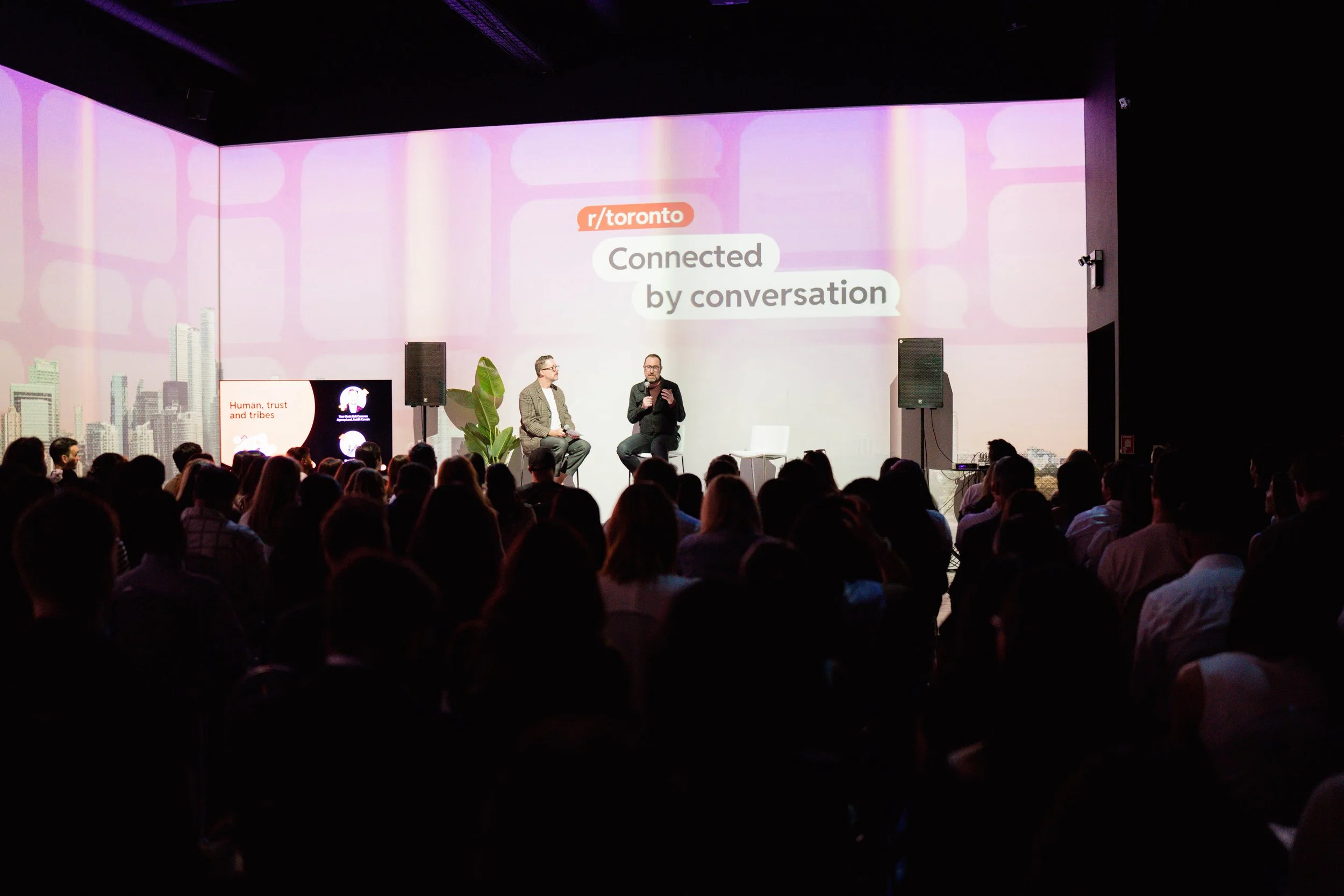
The occasion was Reddit's r/Toronto: Connected by Conversation summit at Arcadia Earth. While the Reddit team brought plenty to the table, what really left us thinking was the sharp insights from two of the platform's volunteer moderators, who spend their free time protecting their communities from spam, stealth marketing and bots.
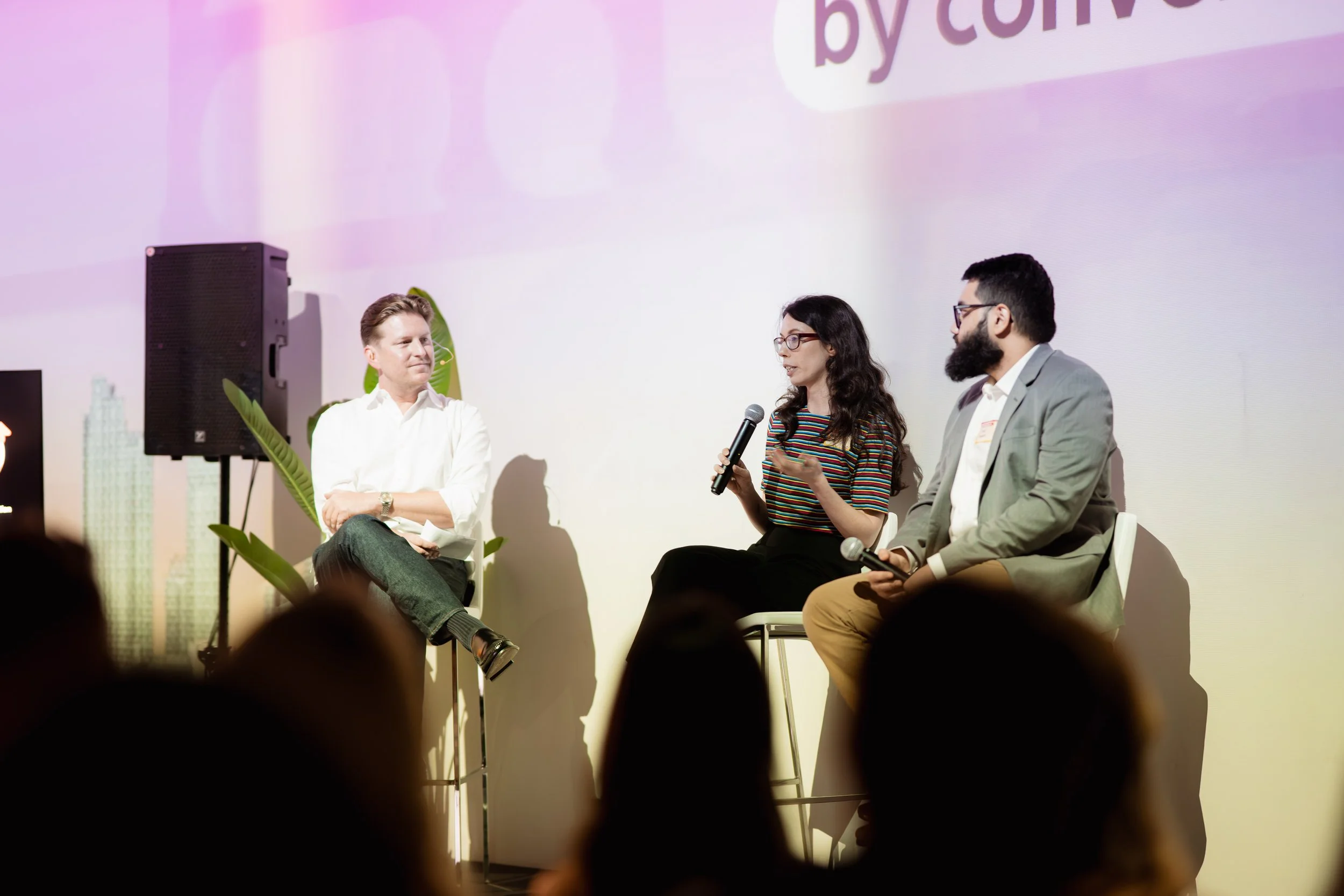
The moderators' line: lurk more
Fuad moderates r/PersonalFinanceCanada. Maya moderates r/SkincareAddiction. Neither works for Reddit, and neither was there to sell anyone on the platform. When asked what a brand should do before it tries to show up in a community space, Maya didn't hesitate.
“Lurk more," she said. “Reddit users see through BS and marketing fluff very clearly. We are not there to shape the conversation as moderators; we are there as a protective force."
Fuad's version of the same warning had more teeth. Brands that ignore problems their users are already discussing can lose credibility quickly.
“A lot of times, brands don't take product feedback as seriously as they should," he said. “If you just brush aside a problem that users are talking about, your audience isn't going to care what you have to say afterward."
For anyone doing the actual work of planning a campaign, that's not a soft suggestion. It's weeks of sitting in a subreddit before a single post goes up: watching how people talk to each other, what they're trying to solve, and what tone actually earns a response versus what gets buried.
Why "demographics" stopped being useful
The clearest articulation of why this shift is happening came from Shane Cameron, OMD's chief strategy officer, in conversation with Reddit's Neil Cameron. His frustration wasn't with any specific channel. It was with how media plans still get built.
“Demographics are necessary for counting and budget allocations, but they tell you nothing about what people care about or who they are," he said. “I'm a middle-aged guy living in downtown Toronto, but I think of myself as a dad, a football fan, and a vinyl record collector. That's how the rest of the world thinks of themselves, too."
OMD's answer is what Cameron calls systems planning: instead of chasing low CPMs and passive reach, the agency evaluates channels on attention and recall using third-party tools like Amplified Intelligence, then matches creative to groups already invested in something specific, whether that's audiophiles, new parents, or local sports fans. Interest first, reach second.
Reddit's own numbers back up why that reframe matters here specifically. Nearly 40% of Canadian Gen Z Redditors use the platform to research brands and products, according to insights shared by Lauren Kramer Rosenberg from Reddit's global insights team. Not because they lack information, but because they're drowning in it and want to pressure-test what they've already been told against someone who actually used the product, dealt with the customer service line, or ran the telecom network in their own neighbourhood.
Adam Collins, Reddit's chief communications officer, framed the whole shift in one line worth sitting with: “In this age of AI, the more that intelligence becomes artificial, the more that human judgment and human connection become valuable." His comparison was blunt. A stage is where a brand talks and everyone watches. A city is where people actually live, argue, and trade advice. Reddit, he said, is trying to be the latter.
What this actually means for the next campaign you build
None of this is a reason to abandon reach-based buying entirely, and nobody at the summit argued that. But three things came out of the room that are worth building into the next planning cycle rather than filing away as a nice quote:
Stop grading channels on impressions alone. If nobody's commenting on it, reading it, or arguing with it, that reach isn't buying you anything that compounds.
Treat forums as research, not just distribution. If people are already naming a flaw in your product or your offer, addressing it in the open does more for the brand than the campaign that was supposed to distract from it.
Show up like a guest, not a landlord. These are spaces built and moderated by people who aren't paid to host a brand. Arrive with something useful, answer the question people are actually asking, and skip the campaign the room didn't ask for.
