

Written by Cam Gordon
Working with creators in 2026 is often like working with anybody else within the broad category of celebrity. This can involve contracts, payments, high production values and all manner of scripting. It depends on the scale, but often a creator program is basically just a series of celebrity endorsements.
This latter sentence wouldn’t have made sense in the last decade of the 1990s and the first 10 years of the 2000s. This is the 20-year period covered in my new book Track Changes: The Origin Story of Canadian Music on the Internet (1990-2010). The book chronicles the many ways Canadian music was impacted by the emerging internet and a deepening relationship with consumer technology. The web affected not just the artists and the fans who loved them, but also retailers, media outlets, record label executives, publicists and anyone with a professional or personal stake in music.
On the surface, it’s a book about music, media and technology. This is accurate but once you start reading it, you’ll see it’s also a book about web culture foundations in Canada. These foundations were built in the era of dial-up internet, basic hardware probably bought at Future Shop, and “hot new devices” like the iPod, BlackBerry and Motorola Razr.
Chapter 11 (the actual chapter, not bankruptcy protection) starts with an anecdote about inviting some blogger named “Toronto Mike” to a cellphone launch party in 2007. I was working for a PR agency called High Road Communications. It was an incredibly fun place to work, and my biggest client at the time was LG Electronics. We promoted the latest flatscreen TVs, digital appliances and other cool tech. There were also a series of increasingly fashionable cellphones. In Toronto, these were often paired with activations at Toronto Fashion Week, where LG was a lead sponsor.
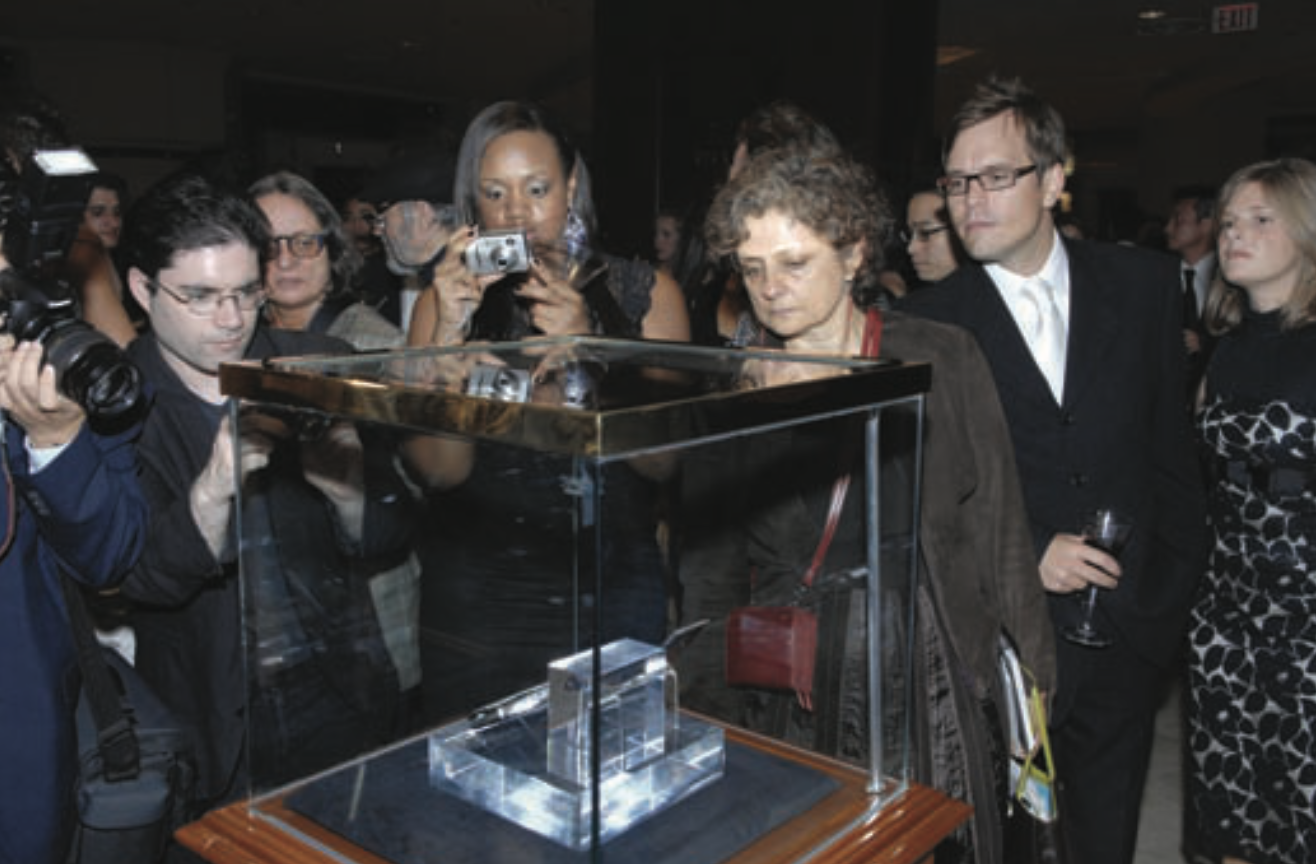
The LG Shine launch party at Birks in Toronto ©️Strategy Magazine, 2008
The cellphone event I invited this Mike guy too was a very fancy launch party for the LG Shine, its latest fashion phone. You can still find coverage of this event online if you know where to look. A signature element of the event was the big reveal of a $30,000 diamond-encrusted LG Shine. People complain about the rising cost of iPhones, but this little phone was next level… and keep in mind, it didn’t even have web access!
Anyway, Mike completely ignored my email and every email I sent him during my High Road days. We later became very good pals once I started working at Twitter, but luckily for my gig supporting LG, there were other bloggers and online types who took us up on event invites and other PR exercises.
When I think back to the tail end of the Track Changes era and just beyond it, there was an emerging class of digital creators starting to get attention from PR people. For myself, I remember inviting bloggers such as Casie Stewart, Zach Bussey and Raymi the Minx to various product events. I also repped Canon, and we connected with photo bloggers including Rannie Turingan and Lisa Bettany. Our Fashion Week invite list would include Anita Clarke and new online voices in the fashion space. A strong ecosystem of blogs in other Canadian cities had arisen too, led by Vancouver’s Miss 604, Ottawa’s Apartment613 and Mike’s Bloggity Blog out of Calgary. The latter was run by Mike Morrison, who also owns this website you’re visiting right now and has done some truly amazing work building communities that exist in tandem online and off.
The early chapters of Track Changes also touch on online community builders who ran fan websites, mailing lists and message boards to connect with other enthusiasts and trade facts, and gossip, about their favourite Canadian artists. These folks were a different category than the bloggers mentioned above. However, they were similar in that they were creating online and getting access as a result.
I spoke to James Covey, one of the founders of SloanNet, for the book. This was a mailing list started in 1993 to talk about Sloan, the beloved Halifax-via-Toronto alt-rock band. Covey told me Sloan’s management team was quick to take notice of the mailing list. Within a few months, they were inviting Covey to visit murderecords, Sloan’s record label, and provide bits of band info to share on SloanNet. It became a small micro-economy of brand, online creator and audience. And again, if you squint hard enough, you can see a template and behavioural pattern that is now a massive part of the entire marketing industry today.
Working with online creators has obviously become far, far more sophisticated in 2026. Algorithms and the ability to surface content are everything. Social media is an entire attention economy unto itself. Success metrics are a must and far more evocative than they’ve ever been.
That said, communications and marketing professionals still need to have a strong human connection with creators to make the content truly meaningful. Even paid interactions require a high level of detail, psychology and understanding on both sides.
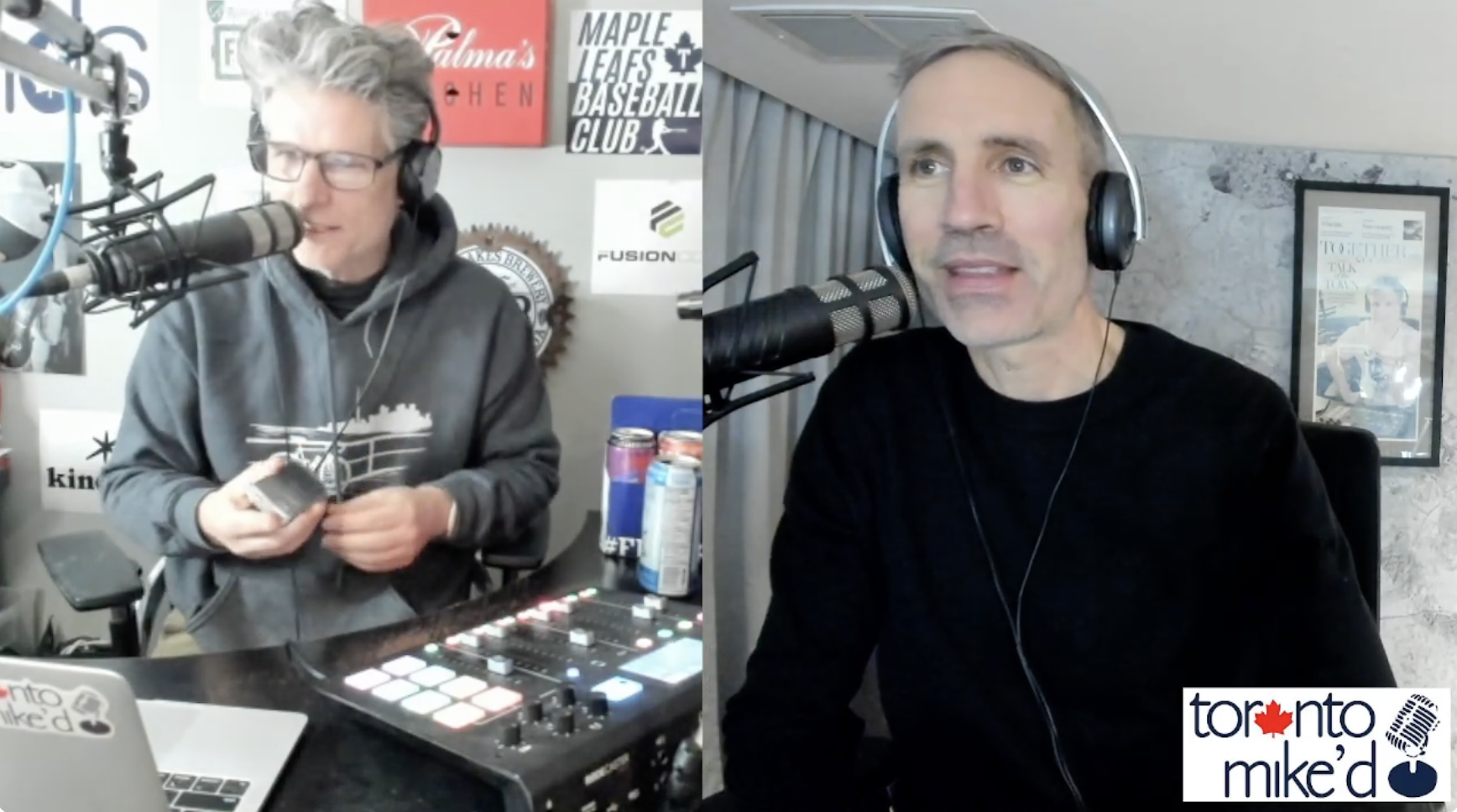
It only took me 19 years and a book launch to get the LG Shine into Toronto Mike’s hands!
Brands crave authenticity but authenticity (or anything real) is hard to manufacture at scale. The bloggers I invited to those LG events and the fans running those mailing lists years earlier weren’t thinking about engagement rates or monetization funnels. They were simply connecting with communities they loved and brands that wanted to engage with them needed to meet them on their own turf.
For comms and marketing professionals, that core skill of building trust and working collaboratively with people fuelled by passion is still the foundation of the best corners of creator marketing today. Technology is the add-on and, if history has taught us anything, the value is only there if the humans themselves are compatible.
About the writer:
Cam Gordon is a Toronto-based writer and communications professional. He is currently the Director of Communications and Public Affairs for Seneca Polytechnic and was formerly the Head of Communications for Twitter in Canada. Cam has written about music and culture for several outlets including the Toronto Star, Chart Magazine, The Spill, This Magazine and Wavelength Music.
