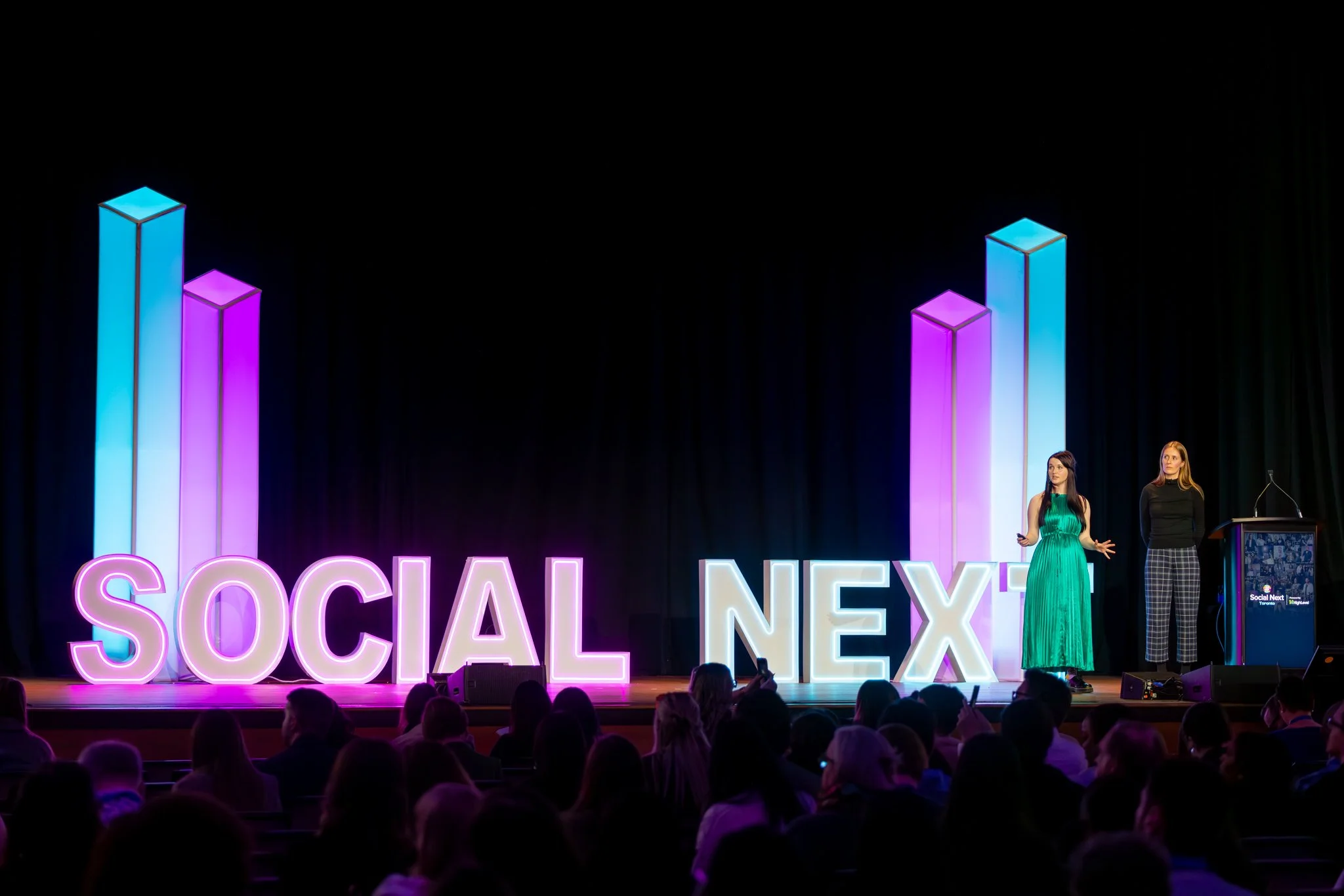
HeyOrca’s Jesse Luimes and Iliyana Shoushounova leading a talk on community-led marketing. Photo by Neil Zeller Photography
The word “Community” has been the marketing buzzword lately. It’s often used when brands want to harness the power of people to help them grow their brand, and the sentiment certainly appears in all kinds of content, events and even the way it’s written about–think of the phrase “you can’t be part of a village without being a villager”.
But as trust in brands is at an all-time low between brands and consumers and organic reach in social media is declining, having a community-led strategy that builds relationships is now top of mind for brands as they figure out how to turn things around.
The best brands know that community is more than just a buzzword–it’s something that you build, brick by brick, along with your fans and followers. It’s built with the trust that your brand will follow through on what they say and do in their daily interactions and on their channels. And that trust becomes the community that is the growth engine of your brand.
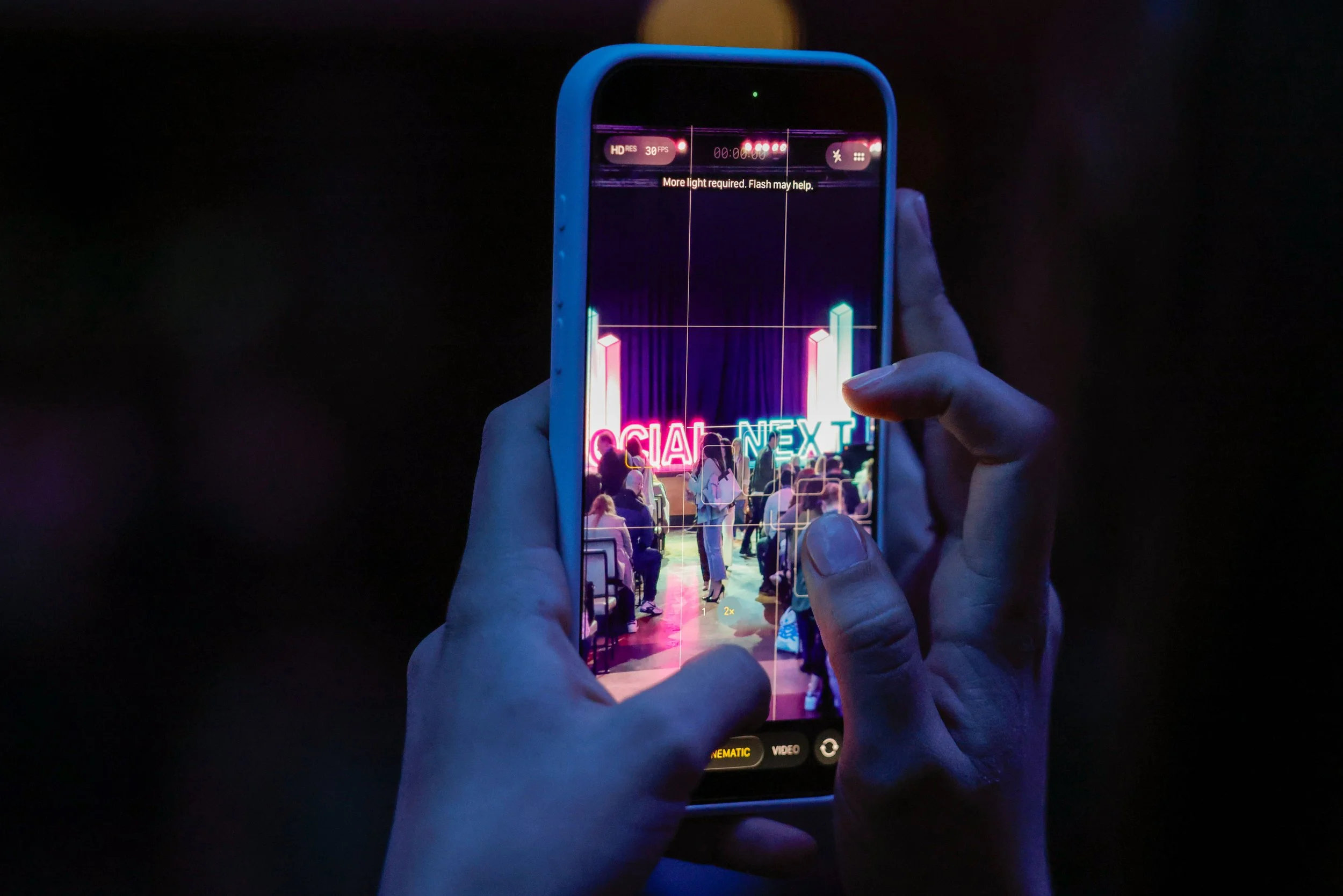
Photo by Neil Zeller Photography
What is community-led marketing, anyway?
According to Jesse Luimes, Alyssa Pulford and Iliyana Shoushounova of HeyOrca, community-led marketing can be as simple as the following:
Community = Belonging (How you earn trust) + Identity (How People See Themselves) + Spaces (Where People Gather)
How can a brand build a community?
Belonging:
Earning trust from your community takes time, but can start with a few simple actions: invitation, amplification and participation.
Identity:
Getting to know your community on a personal level is akin to taking a relationship with someone from a stranger to a friend. This process can take time and develop over a few weeks, months and even years. If the relationship between a brand and a customer goes to an advocacy level–the point where the customer is willing to tell other people about your brand by choice. When someone trusts you enough to make your brand values a part of their own, you’ve done your job as a brand. The lasting task is to maintain the relationship as long as possible.
Spaces:
A community needs to gather in order to share, learn, enjoy and grow together. Spaces, both public and private, are where those things happen. Public spaces are places where people can discover your brand–think the comments section on your latest post or a pop-up event. Private spaces are the “close friends” channel on Instagram or the group chat/channel you need to be approved to join. Either way, these spaces build relationships; they function to connect people with your brand over time–and other like-minded fans who have integrated your brand into their lives.
Community led marketing is not a new phenomenon. The re-focus on people and their interests, long-term relationship building and overall loyalty to your brand is the slow-burn approach that counters the fast-paced, automated and impersonal marketing that has become the norm. Community is not just a buzzword; it’s what the smartest brands build to grow their fans, followers, relationships, and over time, real investment in the brand.
This piece is part of our ongoing coverage of SocialNext Toronto 2026, one of six national conferences produced by SocialNext.
About the writer:
June Findlay is a multifaceted communications professional with 15 years of marketing and advertising experience, specializing in digital and social media marketing, including roles on brand and agency sides. Throughout her career, she's worked with agencies such as Dentsu and WPP and developed campaigns for brands such as The Lincoln Motor Company, The YMCA of Greater Toronto, UNICEF Canada, and MadeGood. A sharp writer, insightful commentator, and founder of Little Kernel Communications (her freelance practice serving B2B and B2C clients), she is also a sought-after speaker empowering audiences to make meaningful changes in their lives and their work. June has spoken for notable organizations and institutions like the University of Toronto, Global News Radio, Toronto Metropolitan University, The National Forum for Voluntary Organizations (Sweden), CBC Newsworld, and more.
