
FIFA Names TikTok Its Preferred Platform for the 2026 World Cup
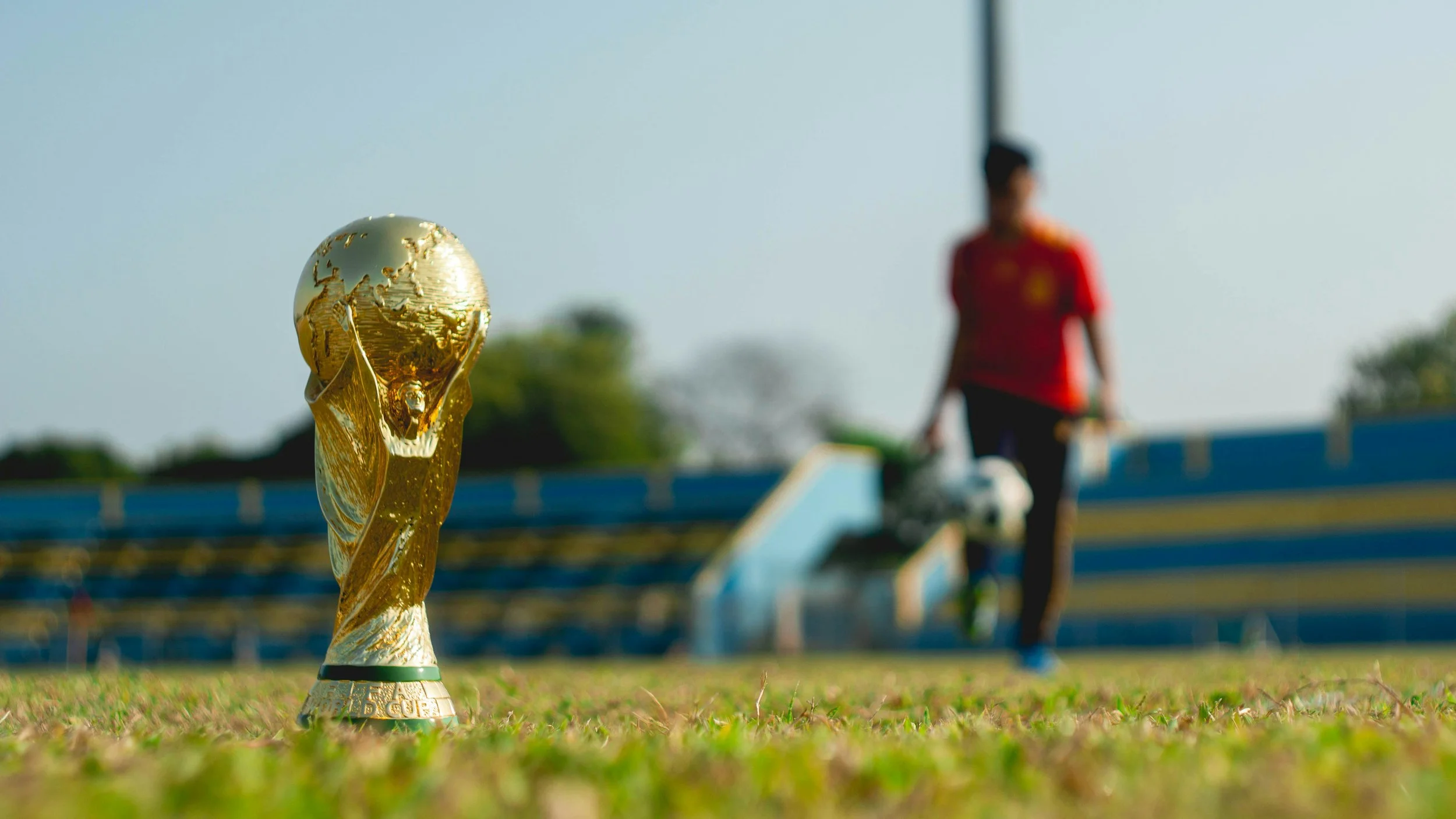
As the 2026 FIFA World Cup approaches, a new partnership between TikTok and FIFA is signaling a major shift in how one of the world’s largest cultural events will be experienced, marketed, and monetized. TikTok has been named FIFA’s first-ever “Preferred Platform,” a first-of-its-kind agreement that positions the social platform as a central destination for World Cup content, creators, and fan engagement throughout the tournament.
The World Cup, which will be hosted across Canada, the United States, and Mexico, is set to be the most inclusive in FIFA’s history, expanding to 48 teams. With matches taking place in Canadian cities including Toronto and Vancouver, the partnership carries real implications for Canadian brands planning to activate around the event.
Social Moves From Supporting Channel to Core Platform
For decades, global sporting events have relied on broadcast partners as the primary engine for reach and revenue, with social platforms playing a supporting role focused on promotion and highlights. This deal reflects a different reality.
Under the agreement, TikTok will host a dedicated FIFA World Cup 2026 hub featuring increased original content, curated clips, and new live-streaming opportunities for official media partners. TikTok will also support broadcasters with monetization through its premium advertising solutions, while implementing anti-piracy measures designed to protect FIFA’s intellectual property.
For marketers, the message is fairly clear. Social platforms are no longer just there to amplify broadcast moments. They are becoming part of how major events are distributed, experienced, and monetized in real time.
Creator Access Becomes an Official Strategy
A central element of the partnership is a new global creator program that will give select TikTok creators behind-the-scenes access to moments such as training sessions and press conferences. A broader group of creators will also be able to co-create content using FIFA’s archival footage.
FIFA Secretary General Mattias Grafström said the partnership is designed to bring fans closer to the action and behind the scenes, reinforcing how storytelling around the tournament will extend well beyond match coverage.
For Canadian marketers, this is another reminder that creator-led storytelling is no longer a nice-to-have, especially around moments where brands may not hold official sponsorship rights. The opportunity is not about owning the event. It is about participating in the culture around it in a way that feels natural and platform-native.
Short-Form Content Is No Longer a Teaser
TikTok has framed the partnership as a way to bring the World Cup to life beyond the 90-minute match window. James Stafford, TikTok’s Global Head of Content, has pointed to the platform’s ability to drive tune-in and engagement, particularly among younger and female audiences.
That aligns with what many marketers are already seeing across categories. Short-form video is no longer just a highlight reel or promotional tool. For many audiences, it has become the primary way they engage with sports, entertainment, and culture.
For brands, this means planning for sustained presence rather than isolated campaign moments tied strictly to match schedules.
What Canadian Brands Should Be Thinking About Now
With the World Cup less than six months away, Canadian marketers should already be thinking about how this shift affects their planning. A few key considerations stand out:
Plan for adjacency, not ownership. Cultural relevance will not be limited to official sponsors. Brands can show up through timely content, creator partnerships, and smart participation.
Invest early in creator relationships. Waiting until the tournament begins may be too late. Building familiarity and credibility now will matter when attention peaks.
Design for participation. Interactive formats such as filters, stickers, and challenges are likely to outperform traditional brand-led messaging.
Think globally, act locally. Content rooted in Canadian cities, fans, and experiences has the potential to travel far beyond the country’s borders on a platform like TikTok.
A Signal That Goes Beyond Sports
While the World Cup is a singular event, what this partnership represents goes well beyond soccer. FIFA naming a Preferred Platform reflects a broader shift in how major cultural moments are distributed, with social platforms moving from the sidelines to the centre of the experience.
For Canadian marketers, the takeaway is straightforward. The most impactful moments of 2026 will not live in a single channel or format. They will unfold across feeds, creators, and communities in real time. The brands that succeed will be the ones prepared to show up where culture is actually happening.
