
Price is a signal. When that signal turns negative, the instinct is to discount, go quiet, or let the category do the talking. The smart play is almost always the opposite.
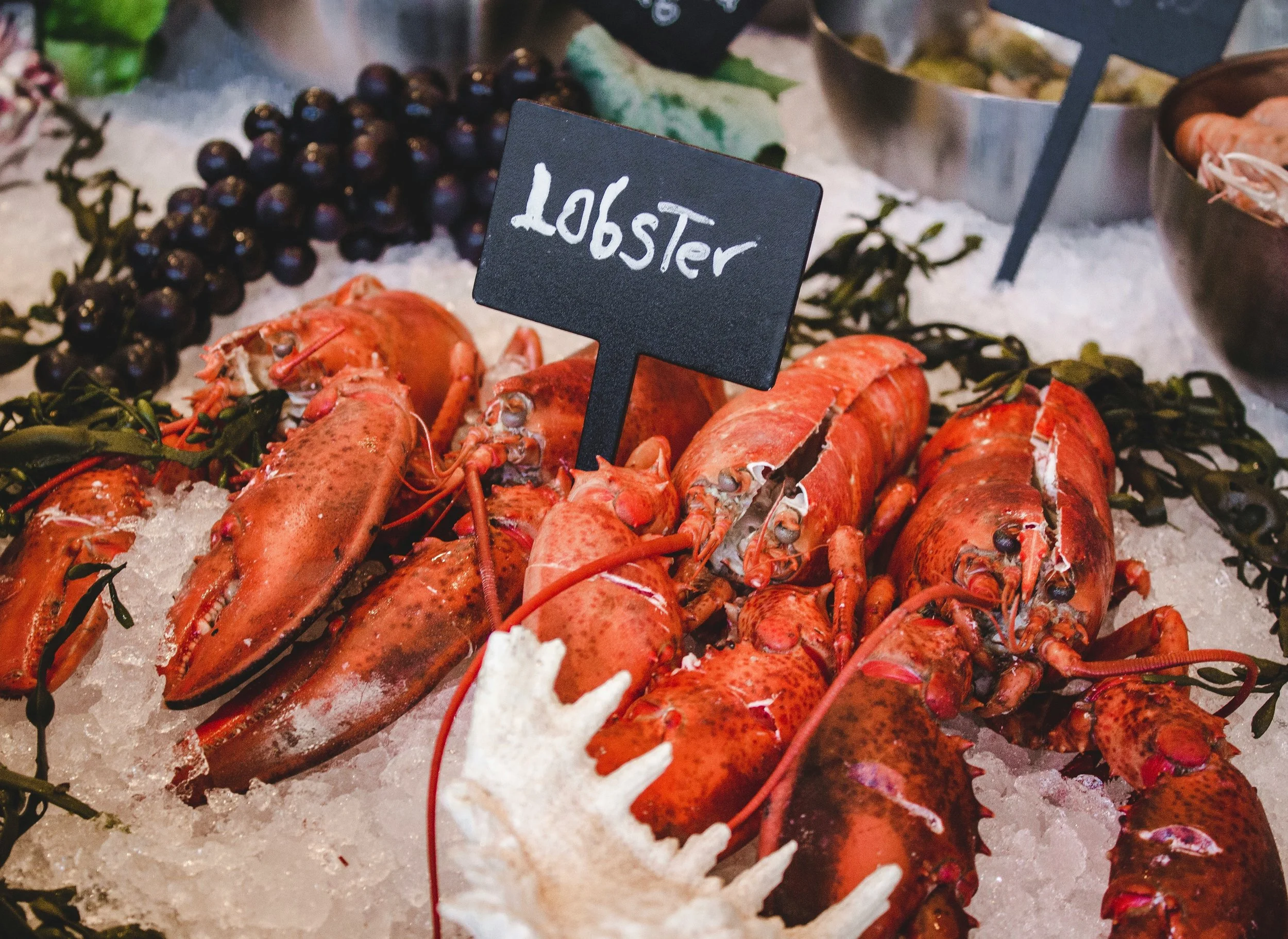
The P.E.I. Lobster Fishers Marketing Board made news this week for what it didn't do. According to CBC, prices opened the season at $8–$8.50 per pound, roughly $1.50 below what fishers need to cover fuel and bait costs. Board chair Charlie McGeoghegan didn't lead with the bad news. Instead, he pointed to the structural advantages: China's 32% tariff disadvantage against the U.S. is gone. The Canadian dollar sits at $1.38. Maine's catch is down to 87 million pounds from a typical 150 million. P.E.I. lobster has room to fill the gap.
That's not spin. That's category marketing, which means managing the story around a product when market conditions are outside your control. Canadian producers have been doing this for decades. Here's what the playbook looks like when it works.
P.E.I. Lobster (2026): Reframe the price story with structural demand
When a category faces price pressure, the worst move is to treat it like a brand problem. The P.E.I. board is doing something smarter: pointing to the conditions that make this moment an opportunity. None of that requires a dollar off the price. It just requires a different narrative. Lead with the price problem and you own it. Lead with the market opportunity and you're telling a different story entirely.
B.C. Wine: Own the “this place, this vintage” narrative even when it was a hard year
B.C. wineries have dealt with wildfire smoke taint, drought years, and recurring U.S. tariff threats. The ones that held their premium positioning did it by leaning into the story of a difficult vintage rather than going quiet, talking specifically about the character of the wine, what that particular growing season produced, why it tastes the way it does. Some of the most memorable wine marketing in the province came out of hard years. Being honest about difficulty, and confident about it, builds more trust than silence. A rough vintage told well becomes part of the brand. Papered over, it becomes a credibility problem.
Quebec Maple Syrup: Use supply management as brand protection
The Federation of Quebec Maple Syrup Producers runs one of the most sophisticated category marketing operations in the world, even if it's rarely talked about that way. The global strategic reserve, which stabilizes prices across low-yield years, is fundamentally a brand mechanism. By keeping the price floor from collapsing in bad seasons, it protects the premium positioning that decades of marketing have built. Sometimes the best brand protection happens before the marketing function ever gets involved.
Alberta Beef: Turn a crisis into infrastructure
When the Canadian Food Inspection Agency announced on May 20, 2003 that a black Angus cow from northern Alberta had tested positive for BSE (bovine spongiform encephalopathy, or mad cow disease), the U.S. closed its border to Canadian beef the same day, with about 40 countries following. Cattle prices collapsed, the federal government committed close to $2 billion in support programs, and the border to live cattle didn't reopen until July 2005.
Canada already had a national cattle identification system in place, but the crisis forced the industry to accelerate its investment in traceability and make it central to rebuilding trust. That system evolved into one of the world's most comprehensive livestock tracking frameworks, and became a genuine competitive advantage when marketing Canadian beef to international buyers who needed certainty about what they were buying.
When trust is broken, the only thing that rebuilds it is evidence you can point to.
Okanagan Stone Fruit: Make scarcity the point
The Okanagan gets a few weeks of peach and cherry season each year. Small-crop years make that window even shorter. The producers with the strongest direct relationships, farm stands, u-pick, CSA boxes, have built their whole marketing around that constraint. Limited time, limited volume, only available locally: those are things a mass-market product can never offer. The constraint you want to apologize for is often the thing that justifies the premium.
The pattern
These aren't different industries with different problems. It's the same problem: a premium category under external pressure, with a marketing function that has to hold the brand's value while the economics sort themselves out.
What the successful ones have in common is that they don't let a short-term price story become the brand story. They redirect to something the category actually controls, whether that's provenance, traceability, scarcity, or structural demand, and build the narrative there instead.
The P.E.I. marketing board still needs prices to climb before the season ends. But leading with demand strength rather than price weakness is the right instinct. It's what kept B.C. wine on premium shelves through smoke-tainted vintages, pushed Alberta beef to build a traceability system that became a selling point, and kept Quebec maple syrup a global luxury rather than a commodity.
The price will recover. The brand is worth protecting in the meantime.
