
Written by June Findaly
Absolutely–and there’s more room for improvement, connection and relationship building using one of the most impactful yet overlooked and misunderstood marketing channels.
According to CyberImpact’s State of Email Marketing in Canada 2025 report, Canadian organizations sent an average of 33.9 emails a year in 2025, an increase from 2024. More often than not, however, those emails are sent with a one-directional mentality, focused on the sender, not the receiver, and sometimes, don’t even end up in the intended inbox.
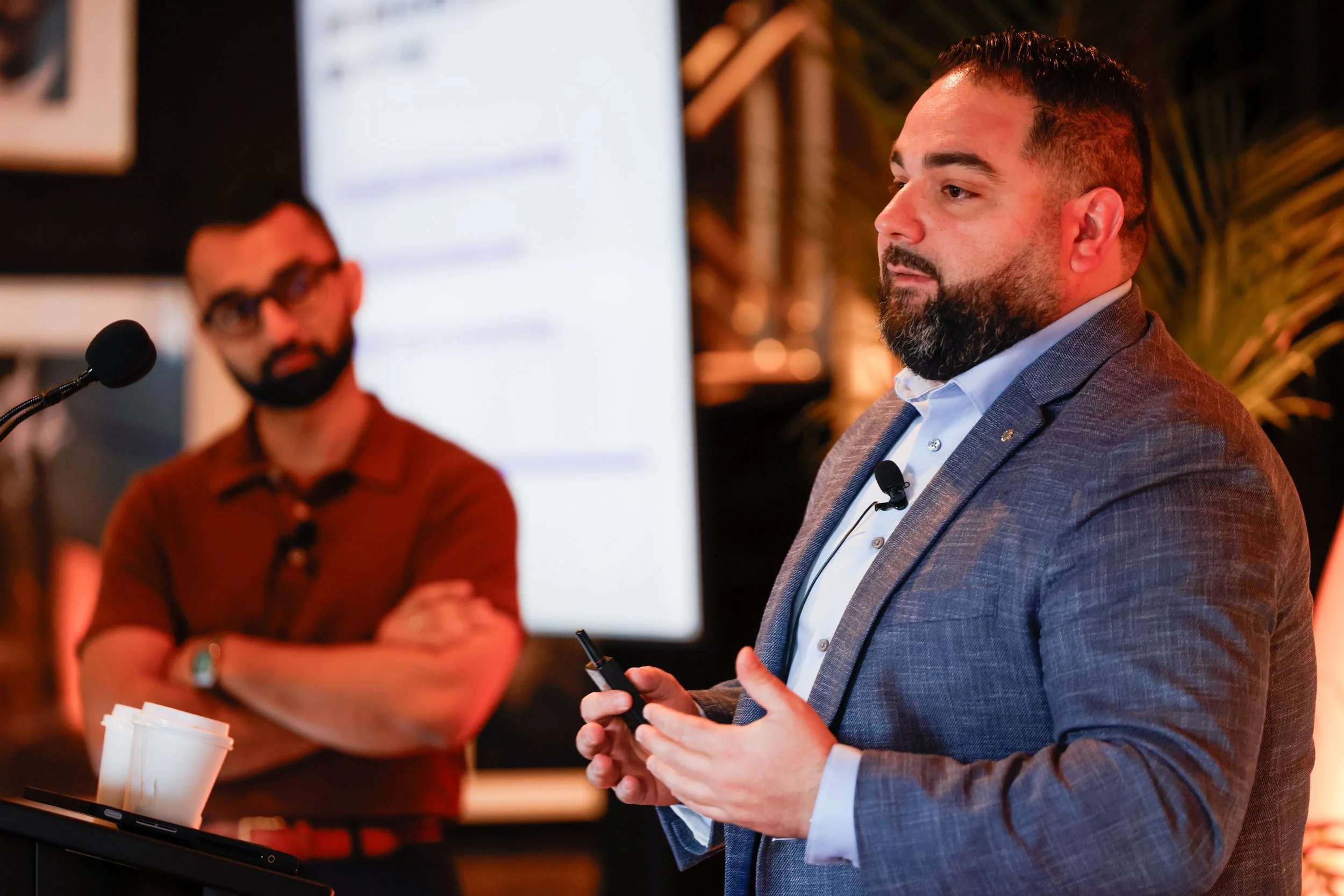
During SocialNext Toronto’s Pre-conference Workshop Series, “Own Your Marketing”, CyberImpact’s Geoffrey Blanc and Nihal Mandanna outlined a few simple yet powerful strategies for marketers and organizations to make their next email the start of a long-lasting relationship with their customer.
Here are some insights they shared, along with a simple strategy you can implement today:
The rules of the modern email inbox have changed.
Major email providers like Google and Yahoo have changed their systems in terms of how email is received, sent and organized. AI is a major factor in how this is done, which for marketers means their intended audience’s inbox is earned, not assumed. Engagement and behavioural patterns are what make the difference between an opened email and an ignored one. 15-20 percent of real emails are never seen, thanks to AI learning patterns and sorting emails based on how they’re actually interacted with by consumers.
Most strategies are built around the sender, not the subscriber.
Marketers have the best intentions, but not always the best execution when it comes to email marketing. This is often due to the focus being on themselves and not who they’re sending their message to. This can appear several ways: having everyone as your audience, not having clear expectations for the subscriber, and writing in a one-way communication style where every email ends in an ask. These are easy ways to have more people hit the unsubscribe button.
Most email strategies are built with a campaign-first mindset. Build an engagement-first campaign instead.
Building a strong email strategy doesn’t have to be complicated if you focus on the fundamentals.
Blanc and Mandanna shared a simple email strategy that can help marketers shift their trajectory in their campaigns, and ultimately their results.
All it takes: Inform, Engage, Activate.
It starts with learning about your audience. What are they interested in? Why did they subscribe to you in the first place? How can you talk with them so that you remain engaged in a relationship beyond the email? The more information you can learn about them. (think adding zero-party data tactics like polls) the better you can engage them later. Inform them about how you’re doing what you do best. Give them reasons to believe in what you’re doing. Build quiet loyalty that not only increases your open rate, but also your engagement. When the time comes to make the ask–whether it’s an offer, an invitation to an event, or to take any kind of action–the activation becomes that much easier when you have an engaged audience that you took the time to learn about.
Email is the highest ROI channel you own–it’s the only one where you have the power to create an impactful relationship.
This piece is part of our ongoing coverage of SocialNext Toronto 2026, one of six national conferences produced by SocialNext.
About Cyberimpact:
Cyberimpact is a Canadian email marketing platform built for SMBs and public sector organizations. We make it easy to create professional emails, automate campaigns, and stay fully compliant with Canada’s Anti-Spam Legislation (CASL). Trusted by thousands of Canadian organizations.
About the writer:
June Findlay is a multifaceted communications professional with 15 years of marketing and advertising experience, specializing in digital and social media marketing, including roles on brand and agency sides. Throughout her career, she's worked with agencies such as Dentsu and WPP and developed campaigns for brands such as The Lincoln Motor Company, The YMCA of Greater Toronto, UNICEF Canada, and MadeGood. A sharp writer, insightful commentator, and founder of Little Kernel Communications (her freelance practice serving B2B and B2C clients), she is also a sought-after speaker empowering audiences to make meaningful changes in their lives and their work. June has spoken for notable organizations and institutions like the University of Toronto, Global News Radio, Toronto Metropolitan University, The National Forum for Voluntary Organizations (Sweden), CBC Newsworld, and more.
