
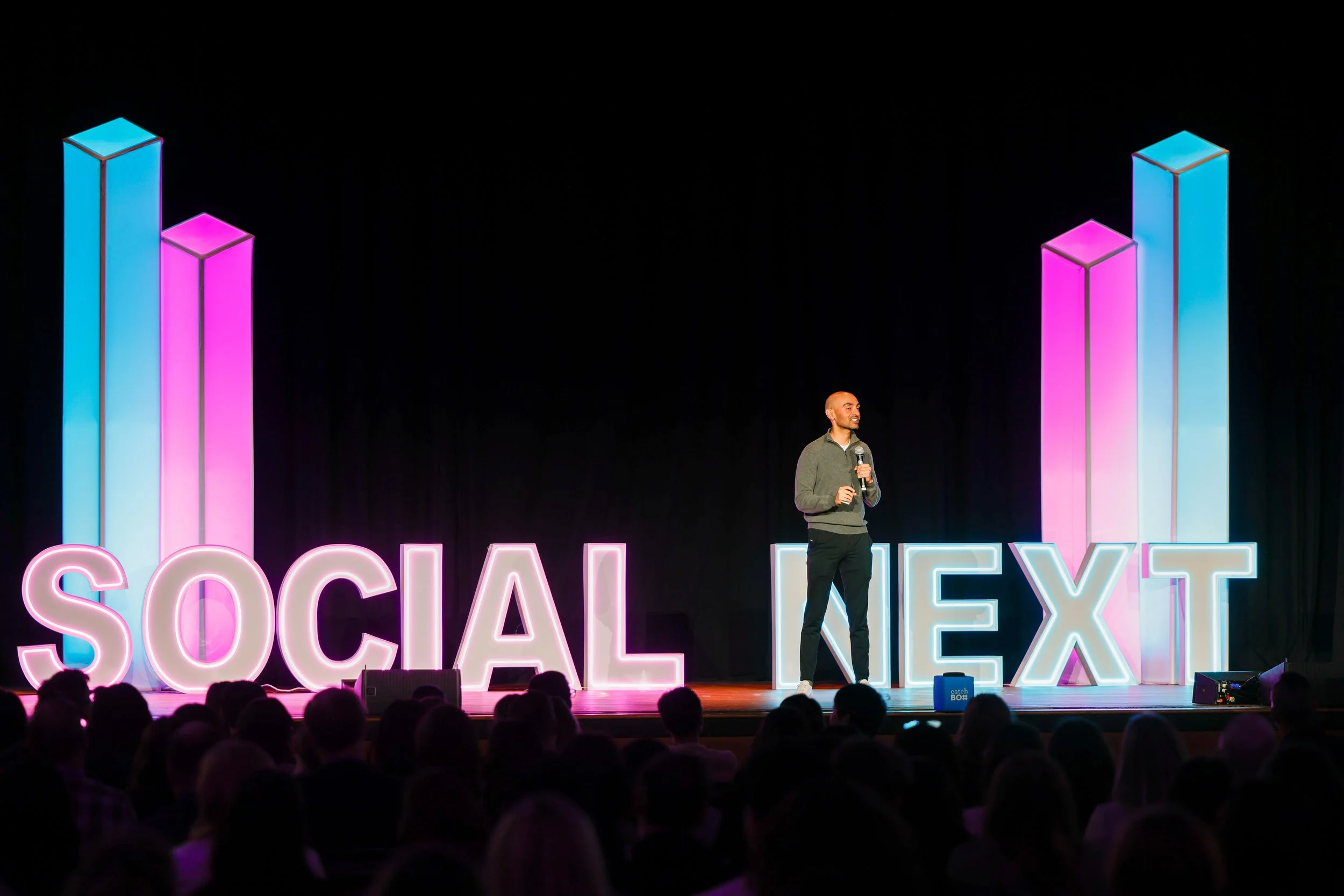
Neil Patel on stage at SocialNext: Toronto - Photo by Neil Zeller Photography
SocialNext: Toronto brought together digital marketers, brand builders and more to explore one of the most pressing questions in the industry: what does AI actually mean for the way we work, today and in the future?
AI as a discovery engine
Neil Patel opened with a reframe that set the tone for the day: “search didn't die, it multiplied”. With 50 billion searches happening daily across social platforms, search engines, and AI tools, the landscape has never been more fragmented — or more full of opportunity. The fastest-growing "search engines" of the moment are AI platforms like ChatGPT, Gemini, and Perplexity, and they're already handling billions of queries. Even social media platforms (the other fastest growing search mechanism) have incorporated AI into their search functions to help find things, people and products. Patel's message was direct: brands that aren't showing up in these spaces are missing the conversation entirely. More pointedly, the people who use AI tools to research tend to show up ready to act. Getting found in these new environments isn't just a visibility play, but one of conversion.
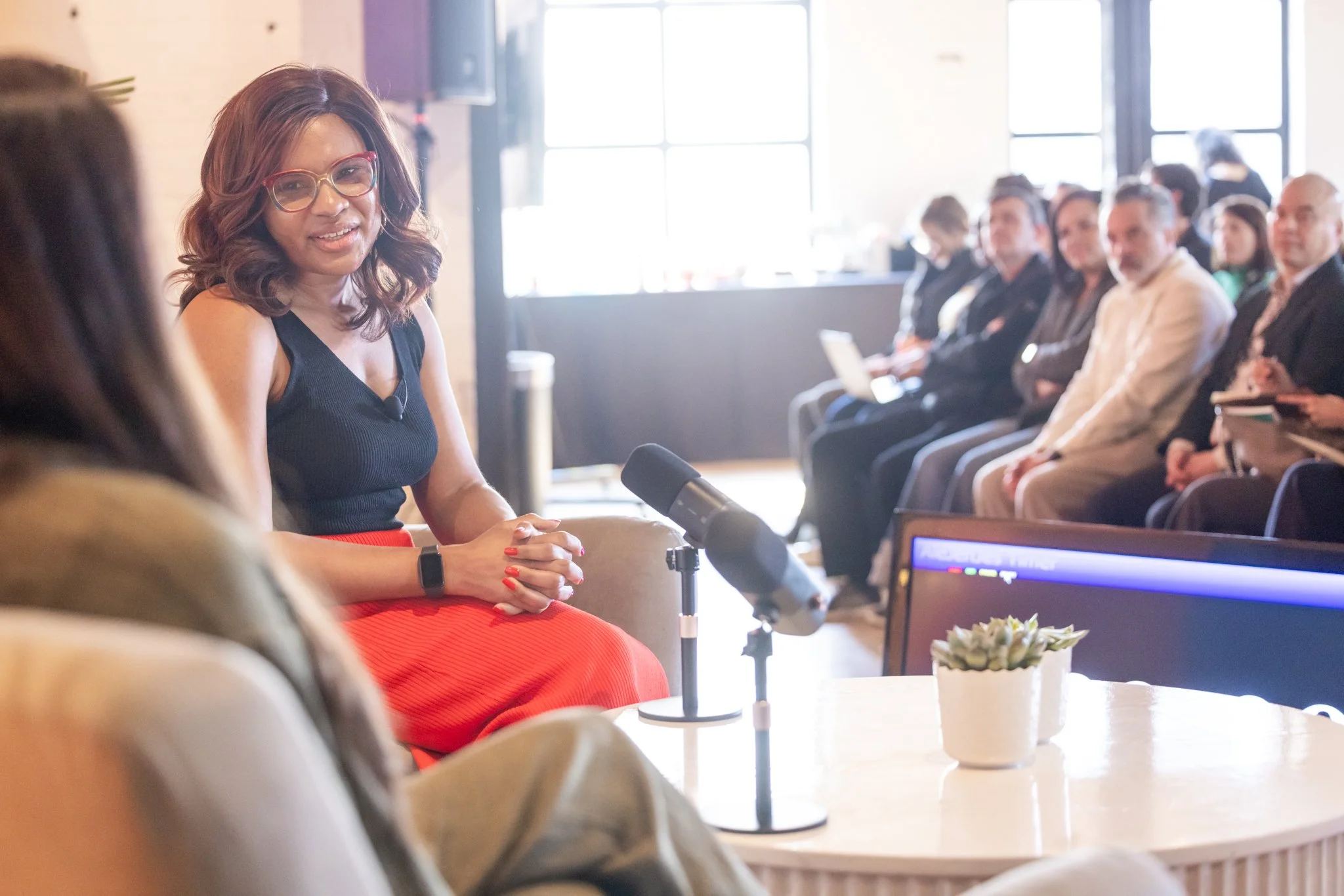
Crystal Carter, Wix on stage at Full Circle - Photo by Neil Zeller Photography
AI as a builder and doer
During the CMO-centered Full Circle session on agent readiness, Wix’s Head of SEO Communications, Crystal Carter, introduced a different dimension: AI isn't just helping people find you, it's starting to do things on behalf of those people. AI agents book, buy, navigate, and interact — and your website, content, and infrastructure either support that or they don't. Carter's advice was practical: make your website "do-things-y." Build support documentation that instructs agents on what they can and should do when they arrive. Use your existing tech stack and partner ecosystem (payments processors, booking tools, CMS platforms) to lay the groundwork so neither you nor your customers have to do heavy lifting when agentic adoption accelerates.
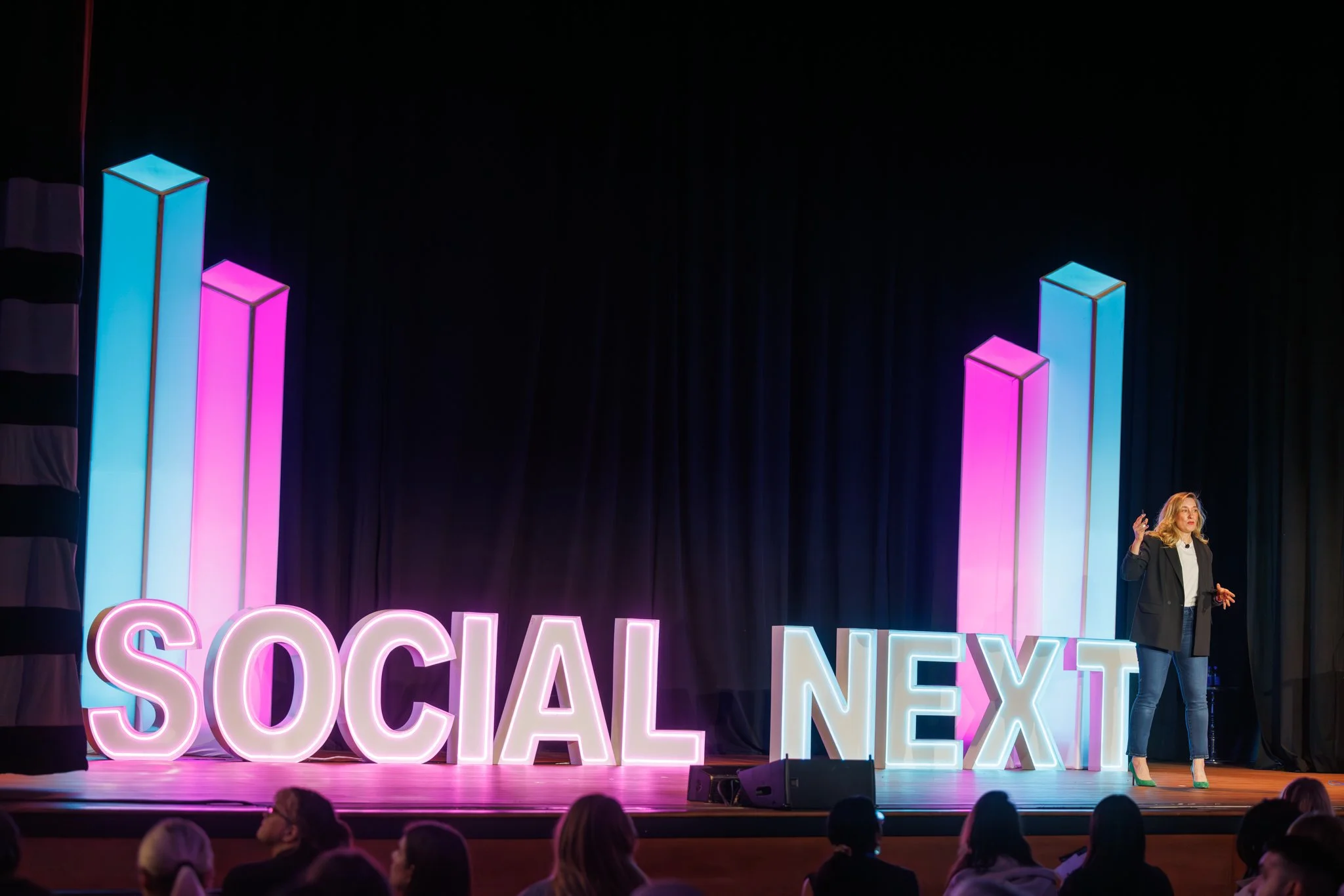
Susan Charles, Google on stage at SocialNext: Toronto - Photo by Neil Zeller Photography
AI as a creative partner
AI is starting to deliver real value in personalization and scale, but the message across the day’s sessions was clear that AI is a tool for understanding audiences, not just targeting them. Brands that use AI to fake emotional resonance, that is, to simulate connection, lose trust permanently. The brands winning are those using AI to genuinely learn what their audiences care about, and then building content and experiences that reflect those affinities authentically. As Susan Charles, Brand Strategy Lead at Google stated during her session “What Great Brands Do”: build a universe, not just a product.
The common thread (or rather, code)
What connected every session was a shift in how marketers are being invited to see themselves. The agentic web, the redistribution of search intent, the explosion of AI-powered creative tools; all of these are still being shaped at the speed of life and the internet. As Carter noted, most of the industry is treating this moment as something happening to them, when the opportunity is to be a driving force in how it develops.
AI, at this stage, is a partner. It helps you get found in more places, helps you build infrastructure that serves customers better, and helps you understand your audience deeply enough to create work that actually resonates. The brands that will come out ahead are the ones treating it that way; not as a replacement for good thinking, but as what makes good human thinking go further.
This piece is part of our ongoing coverage of SocialNext Toronto 2026, one of six national conferences produced by SocialNext.
About the writer:
June Findlay is a multifaceted communications professional with 15 years of marketing and advertising experience, specializing in digital and social media marketing, including roles on brand and agency sides. Throughout her career, she's worked with agencies such as Dentsu and WPP and developed campaigns for brands such as The Lincoln Motor Company, The YMCA of Greater Toronto, UNICEF Canada, and MadeGood. A sharp writer, insightful commentator, and founder of Little Kernel Communications (her freelance practice serving B2B and B2C clients), she is also a sought-after speaker empowering audiences to make meaningful changes in their lives and their work. June has spoken for notable organizations and institutions like the University of Toronto, Global News Radio, Toronto Metropolitan University, The National Forum for Voluntary Organizations (Sweden), CBC Newsworld, and more.
