
Inside the Unlocked Yearbook 2026: What Canadian Marketers Can Learn from a Museum of the Future
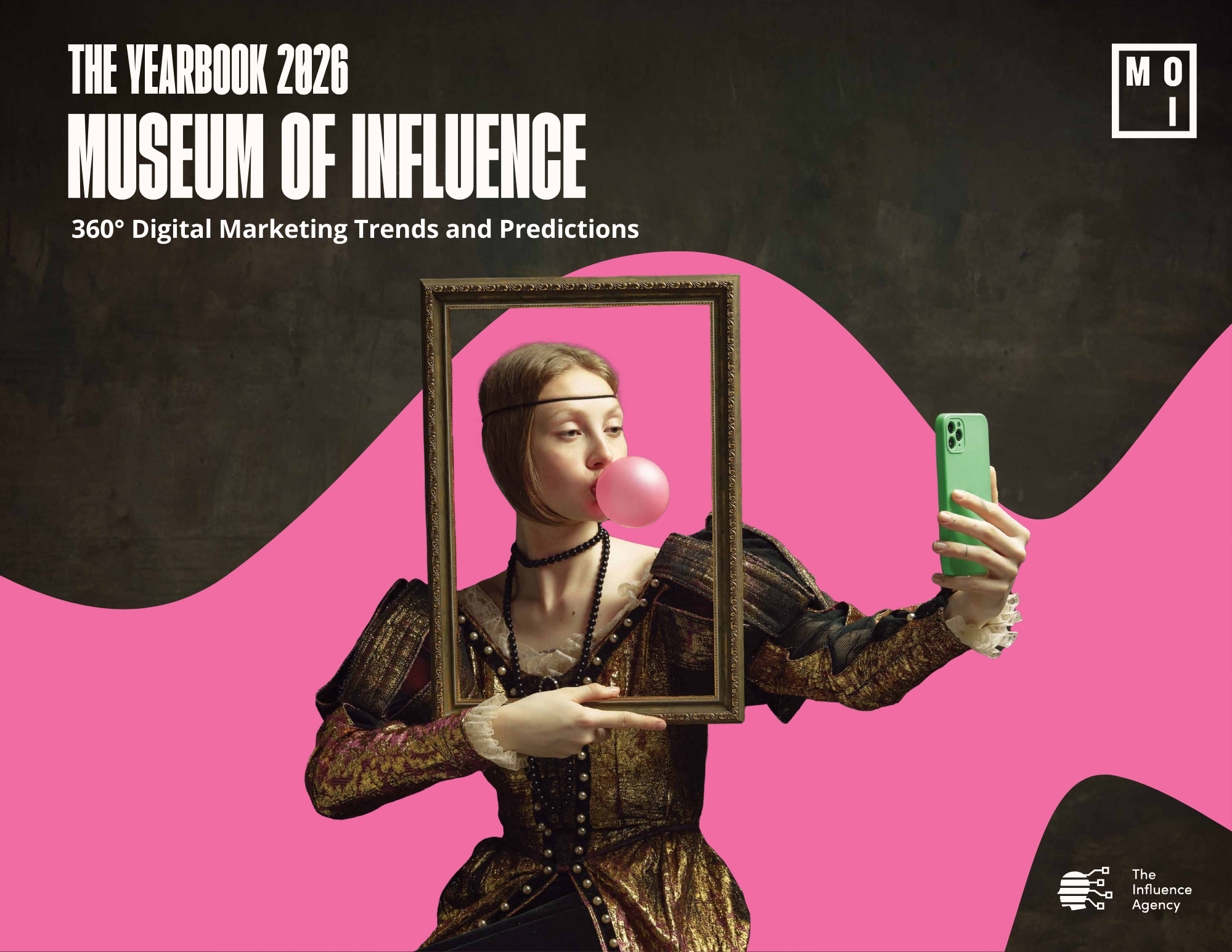
The Influence Agency’s Unlocked Yearbook 2026 isn’t your typical trend report. Instead of a PDF or stats-heavy whitepaper, it’s a digital museum; an interactive space where marketers can explore curated insights, AI-driven predictions, and generational perspectives in a format designed to spark exploration, not just consumption.
For Canadian marketers heading into 2026, it’s more than a clever format. It’s a reframing of how we think about discovery, creativity, and consumer behavior. At a time when marketing playbooks are being rewritten in real time, the Yearbook offers a confident, well-designed guide for what’s next.
Marketing as Museum: A Shift in How We Learn
The Yearbook begins in "The Opening Hall," a space where traditional marketing approaches meet the evolving landscape of algorithms, creators, and AI tools. The experience is structured like a gallery tour, complete with distinct wings and visual exhibits that encourage marketers to explore by interest, not just scroll through a list.
Stephanie Walker, Partner and VP at The Influence Agency, explains:
"We designed The Yearbook like a virtual museum because marketing in the AI era is no longer one straight storyline. It’s a set of connected rooms. People now discover, research, and convert across different platforms, formats, and paths, and AI is accelerating that shift in real time. A traditional trend report forces a linear read, while the museum format lets people explore by generation, theme, or intent. Each chapter becomes its own curated exhibit, making the 360° perspective feel lived in rather than just listed."
This idea, that the way we learn should reflect the way people engage with content, is one that resonates across the SocialNext community. Marketers don’t just need better data. They need better ways to absorb and act on it.
Generational Strategy, Reimagined
One of the strongest sections in the Yearbook is "The Generational Galleries," where each age group is redefined based on how they discover and engage with brands:
Gen Alpha: Discovery-First Natives
Gen Z: Algorithm-Aware Buyers
Millennials: Hybrid Researchers
Gen X: Strategic Consumers
Boomers: Brand Trust Loyalists
Rather than lumping audiences into a universal funnel, the Yearbook encourages marketers to recognize just how different the journey to brand discovery looks across age groups. For Gen Z, discovery often starts on TikTok. For Boomers, brand familiarity still leads the way.
"Gen Alpha is still the generation marketers struggle to fully understand," says Walker. "They're growing up in interactive, algorithm-driven environments where participation matters more than messaging. Traditional ads won’t land. What does land is showing up inside the experience–through tools, games, platforms, or moments they can interact with."
AI, Content, and the Marketer-Machine Partnership
In "Marketer & Machine: A Joint Exhibit," the Yearbook shifts from theory to tools. It outlines how AI is shaping strategy, content, and execution, from writing prompts to persona-platform alignment to the building blocks of the modern AI tech stack.
What stands out is the balance. There’s no overhyped promise of automation doing it all, but also no hesitancy to embrace what’s possible. For marketers managing content fatigue or trying to scale campaigns efficiently, it’s a well-timed reality check.
Discovery-First Marketing: The New Starting Line
More than any other concept in the Yearbook, discovery-first thinking ties it all together. It’s the idea that awareness isn’t something marketers push down a funnel anymore, it’s something they show up for.
"Discovery-First Marketing means brands need to focus less on bottom-of-funnel tactics and more on how people actually discover them," Walker says. "That discovery is happening across social feeds, creator content, communities like Reddit, and AI platforms like ChatGPT. The brands that will win won’t wait to be searched for, they’ll show up early, answer questions through content, and feel relevant in those moments."
It’s a clear challenge to rethink how and where we build awareness. The brands that thrive in 2026 will be fluent in platform-native storytelling, visible through AI-powered queries, and seamlessly woven into the moments that shape preference.
What Comes Next? A Future Still Being Written
Fittingly, the final section of the Yearbook is "The Future Wing (Under Restoration)," left intentionally unfinished. It’s a creative cue that trend reports aren’t blueprints. they’re hypotheses. The future is still being built.
So what’s likely to earn a spot in next year’s edition?
"Immersive social commerce," says Walker. "By 2027, it won’t feel like a new feature. It will be how people shop. AR try-ons will be faster and more realistic. Live shopping will be more casual and creator-led. And purchasing will happen naturally, right alongside discovery and decision-making."
Wrapping Up 2025 with a Look Ahead
For Marketing News Canada readers, the Unlocked Yearbook 2026 offers a thoughtful way to close the year. It doesn’t pretend to predict everything. Instead, it reflects where we are now and what it will take to stay relevant, visible, and valuable as audiences evolve and technologies accelerate.
As we head into another year of platform shifts, AI tools, and changing behaviors, one thing remains clear: the marketers who win won’t just follow trends. They’ll help shape them.
Explore the full Yearbook: theinfluenceagency.com/unlocked-yearbook-2026
About The Influence Agency:
The Influence Agency is a Toronto-based digital marketing agency specializing in influencer marketing, content strategy, and brand partnerships. Known for blending data-driven insight with creative execution, the agency works with clients across North America to build campaigns that connect, convert, and inspire. Their annual Yearbook publication has become a go-to resource for marketers looking to stay ahead of digital trends.
