
Canada’s Olympic Story, Told Through Its Brands
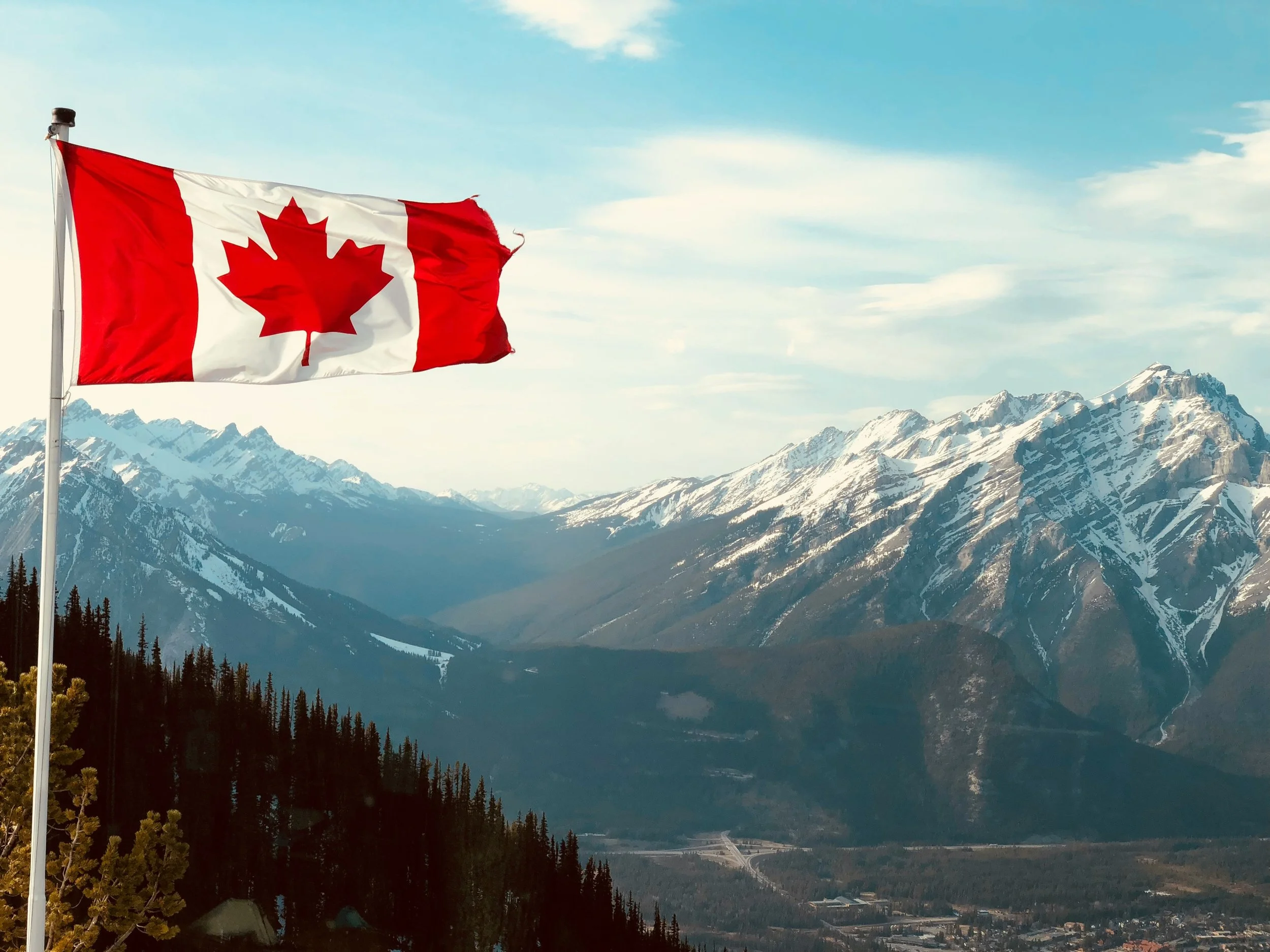
If it wasn’t the roar from the crowd as Team Canada entered the stadium in Milano-Cortina that sparked a burst of patriotism, it was the heart-warming and inspiring campaigns that followed. Together, they beautifully defined what it means to be Canadian and just how deeply the Winter Olympics are woven into Canada’s identity.
This Olympics, Canadian brands did not rely on spectacle or oversized nationalism. Instead, they told quieter, smarter stories rooted in emotion, tradition, rivalry, and community. Stories that felt familiar. Stories that felt true.
Here are the Team Canada campaigns and Olympic-adjacent moments that stood out, and why they resonated so deeply with Canadians.
When Rivalry Becomes a Marketing Moment
Not every Olympic rivalry needs to play out on the ice. Sometimes, it plays out in advertising.
Ahead of Milano-Cortina 2026, Team USA reignited the long-standing hockey rivalry with a tongue-in-cheek Olympic promo starring Jon Hamm. The spot poked fun at Canada’s deep-rooted obsession with hockey and did so knowingly, with just enough smugness to get a reaction.
Canada responded exactly how you would hope.
Bell Media clapped back on behalf of Team Canada with its own ad featuring Jay Baruchel, leaning fully into self-awareness, humour, and national pride. Instead of trying to outdo the spectacle, the Canadian response embraced a simple truth. Hockey matters here. A lot. And Canadians are perfectly comfortable owning that.
The result felt less like a counter-ad and more like a cultural wink. Confident, playful, and unmistakably Canadian.
What made the exchange even more layered was Jon Hamm’s history north of the border. Before appearing in Team USA colours, Hamm was previously a spokesperson for SkipTheDishes, making him a familiar face in Canadian households and an unexpected part of Canadian advertising culture.
Around the same time, a separate Team USA Olympic promo featuring Canadian pop star Tate McRae sparked backlash from Canadian audiences online. The reaction was swift and emotional, with fans questioning national loyalty and representation during a moment when Olympic identity feels especially personal.
Together, these moments underscored just how emotionally charged Olympic marketing can be. Audiences are not just watching ads. They are projecting meaning, memory, and identity onto them.
For marketers, the takeaway is clear. During the Olympics, context matters. Cultural awareness matters. And when rivalry is handled with humour and self-awareness, it can deepen connection rather than divide audiences.
Visa and the Athletes Behind Team Canada
As a Worldwide Olympic Partner and the Official Payment Services Partner for Milano Cortina 2026, Visa’s Olympic presence is anchored in its Team Visa athlete program.
Team Visa is designed to support athletes beyond competition, providing resources, visibility, and long-term backing throughout their Olympic journey. For Canada, that includes a diverse group of athletes across winter sports, such as hockey star Sarah Nurse, alpine skier James Crawford, snowboarder Laurie Blouin in slopestyle and big air, and freestyle moguls skier Mikaël Kingsbury.
Rather than focusing on transactions or technology, Visa’s Olympic storytelling centres on preparation, persistence, and the realities of training at the highest level. The athletes are positioned not just as competitors, but as individuals navigating years of work, pressure, and ambition on the road to the Games.
Within the broader Olympic marketing landscape, Visa’s approach sets the tone early. It establishes support, scale, and credibility, creating space for more intimate and culturally specific stories from Canadian brands to follow.
Tim Hortons and Olympic Pride at the Kitchen Table
The tears were streaming down parents’ faces across the country when Tim Hortons’ “Always Canada” ad told the story of a father and daughter watching Team Canada hockey over decades, all in the span of a single minute.
The spot follows the pair through the early hours of the morning as they sit together year after year, coffee in hand, watching Team Canada games. In the early scenes, the daughter is young and half asleep beside her dad. As the years pass, she grows older, more engaged, more animated. The ritual never changes.
Then the story lands in 2026.
This time, it is the daughter, now an adult, who shows up at her father’s door before dawn with two cups of coffee so they can continue the tradition together. No explanation is needed.
The power of the ad lies in its restraint. It reflects a deeply familiar Canadian truth. The Olympics are not just something we watch. They are milestones that move with us through life, shared with the people who matter most.
For Tim Hortons, it is not just a sponsorship moment. It is a reminder of how the brand has long existed inside these rituals, quietly present when memories are made.
Air Canada and the Journey That Leads to the Games
As Official Airline of Team Canada, Air Canada’s Olympic storytelling focuses less on destinations and more on what it takes to get there.
Anchored by Paralympic ice hockey captain Tyler McGregor, the campaign highlights the long, often unseen journey behind Olympic competition. Early mornings. Physical setbacks. Mental resilience. Travel that is not glamorous, but essential. Through this lens, Air Canada positions itself as a quiet partner in the pursuit of excellence, present for the hard parts, not just the podium moments.
By centering Paralympic athletes and lived experience, the campaign broadens the definition of Olympic success and reinforces values Canadians consistently respond to, including perseverance, inclusion, and determination.
The result feels grounded and authentic. It reminds viewers that the Olympics are not defined by a single moment, but by years of effort that lead there.
Empire Company and Feeding the Olympic Dream
Empire Company’s “Feed The Dream” campaign expands the Olympic story beyond athletes and podiums to the families and communities that support them. As Official Grocer of Team Canada, the company focuses on the everyday moments that fuel Olympic journeys long before the spotlight arrives.
The campaign highlights the role of food, shared meals, and local support systems, featuring Canadian athletes alongside the people who helped them get there. Through its network of grocery banners across the country, Empire brings the Olympic story into neighbourhoods, kitchens, and community spaces.
Rather than centering on spectacle, the campaign feels grounded in the realities of Canadian life. It reinforces the idea that Olympic success is rarely an individual effort, and that behind every athlete is a community that helped feed the dream.
Wear Your Pride on Your Sleeve
For many Canadians, Olympic pride is not just something you watch. It is something you wear.
This year, some of the most compelling Olympic-inspired marketing showed up in closets rather than commercial breaks, giving Canadians new ways to express national pride beyond the screen.
Lululemon: When the Uniform Becomes the Story
Lululemon’s Team Canada Olympic and Paralympic kits may not be a traditional ad, but they became one of the most visible marketing moments of the Games. From training apparel to the entrance outfits worn during the opening ceremony, the designs sparked conversation, athlete pride, and earned media across platforms.
What made them resonate was not just how they looked, but what they represented. Function and performance meeting Canadian identity in a way that felt modern, confident, and intentional.
As Team Canada entered the stadium in Milano-Cortina, the uniforms did more than mark participation. They helped tell a story about who we are, and how we show up on the world stage.
Sometimes the strongest Olympic storytelling does not need words at all.
Peace Collective: Everyday Canadian Pride
Adding a Hockey Canada partnership to its catalogue felt like a natural next step for Toronto-based Peace Collective, and a fitting way to complement Team Canada heading into the 2026 Olympics.
Known for translating Canadian pride into everyday apparel, Peace Collective’s Olympic-adjacent pieces avoid heavy symbolism or overstatement. Instead, they offer wearable expressions of support that feel current, understated, and easy to integrate into daily life.
The result is Olympic pride that feels lived in, not loud, designed to be worn well beyond a single moment on the calendar.
Province of Canada: The Heated Rivalry Fleece
What began as a fictional costume in Crave’s hit series Heated Rivalry quickly became a fan favourite. The fleece worn by character Shane Hollander during his Olympic run struck a chord, prompting fans to ask for it beyond the screen.
For Milano-Cortina 2026, Province of Canada is bringing the once fictional piece into the real world, adding it to its lineup of Canadian pride staples. The move taps into the intersection of sport, storytelling, and fandom, turning a moment from pop culture into something Canadians can wear.
What This Tells Us About Canadian Olympic Marketing
Across categories and formats, a clear pattern emerges.
Canadian brands win during the Olympics when they focus on authenticity over volume, emotion over exaggeration, and participation over performance. The campaigns that resonate most are the ones that reflect how Canadians actually experience the Games.
In Milano-Cortina, Canadian marketing did not shout. It showed up in familiar places, familiar moments, and familiar feelings.
As the action unfolds, Canadians will once again gather in living rooms, kitchens, and early morning hours to cheer on Team Canada, many watching on CBC and CBC Gem, continuing traditions that stretch back decades.
If you are a marketer looking to understand how brands can authentically show up during moments like this, we explored that in more depth in A Canadian Marketer’s Guide to Participating in the Olympics.
For now, one thing feels clear:
Go Team Canada!
