
Do You Actually Need a Rebrand?
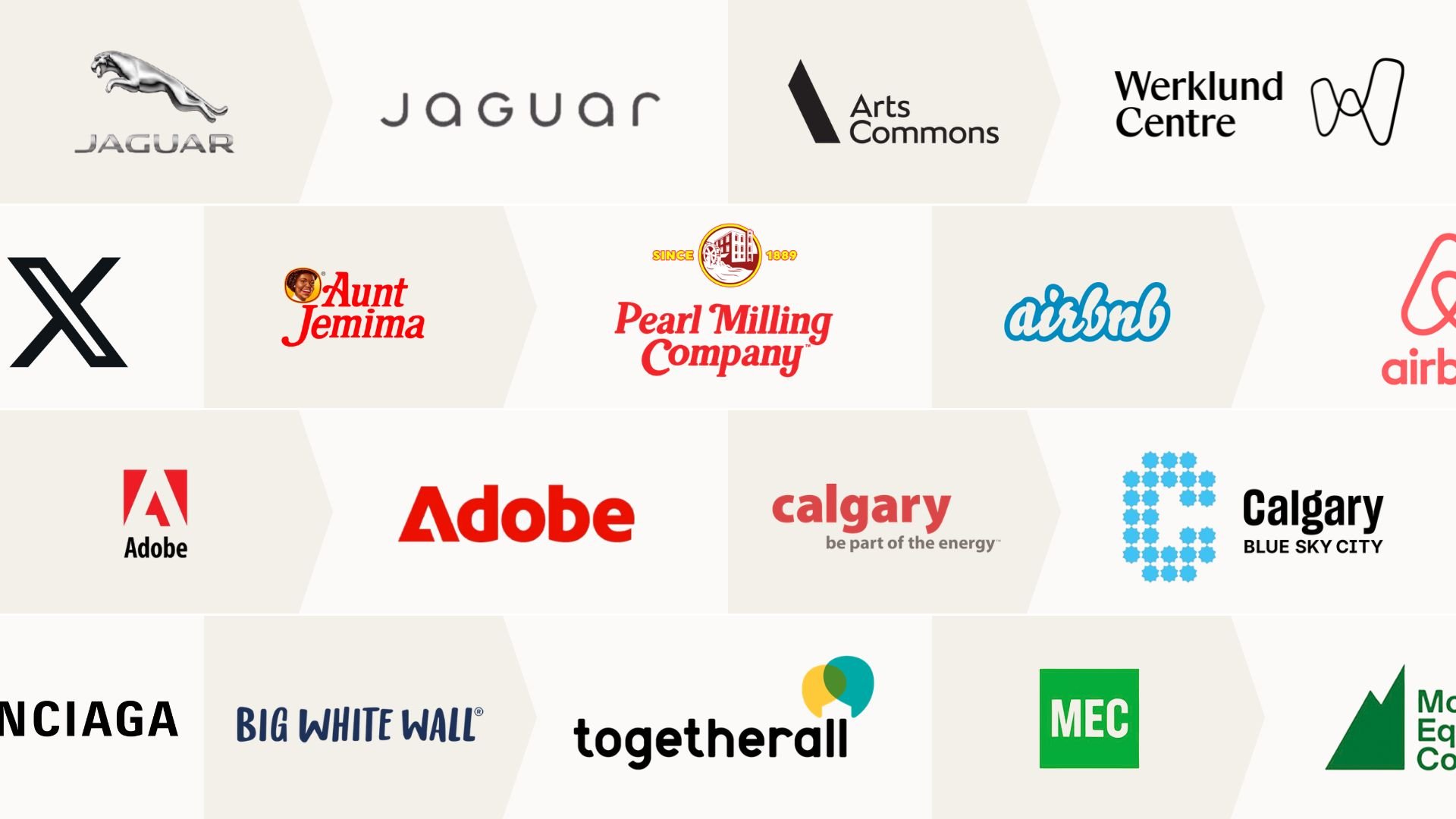
How to decide between a rebrand and a brand refresh before jumping into design
Written by Wilson Wong
At some point almost every organization starts having the same conversation.
“Do we need a rebrand?”
Sometimes it is because the brand feels outdated. Sometimes the organization has evolved and the brand no longer reflects who you are. And sometimes it is simply a feeling that something is not quite connecting the way it should.
The instinct is often to jump straight into design. The conversation quickly turns to the logo, colours, or making things look more modern.
In my experience, that is usually the wrong place to start.
Many organizations begin exploring a rebrand when the real issue is clarity.
Before changing how the brand looks, it helps to step back and understand what problem you are actually trying to solve. In many cases the answer is not a full rebrand but a thoughtful brand refresh.
A brand refresh updates how a brand shows up. It might refine visuals, clarify messaging, or bring more consistency to how the brand is used while keeping the core identity and purpose intact.
A rebrand is different. It usually reflects a deeper shift. The organization may be serving a different audience, offering something new, or needing to be understood in a different way.
The goal is not simply to look new. The goal is to be understood clearly.
Here is a simple framework I often use to help organizations think through whether they need a rebrand or a brand refresh.
1. Get Clear on Why Change Is Being Considered
Before anything creative happens, it helps to step back and ask a few basic questions. This step alone can save a lot of time and unnecessary work later.
Start with the reason behind the conversation.
Why are we considering this change?
Has the audience changed? Are you trying to reach a different group of people? Is there confusion about what you do? Have your services or offerings evolved?
Different reasons lead to very different outcomes.
It is also helpful to think about what you hope will improve if the brand evolves. For example:
People understand what we do more clearly
We feel more confident in how we show up
Trust improves
Engagement increases
Internal teams feel more aligned
Another important question is who the change is for.
Be specific. Is the shift meant for existing customers, potential new audiences, internal teams, or all of the above?
If you try to speak to everyone equally, you usually end up connecting with no one in particular.
Finally, identify what must not change. These are the elements people already recognize or trust. It might be your tone, your credibility, or familiar parts of the brand.
If the reason sounds like “we just want something new,” it is worth digging deeper. A rebrand usually needs a stronger reason than that.
2. Take an Honest Look at Where You Are Today
The next step is a reality check.
You do not need a massive research project, but you do need a clear picture of how the brand is currently showing up.
Start by looking at how people see you today, both internally and externally. Notice where things feel inconsistent or unclear. Pay attention to what is working well and should be protected.
You can also review where the brand appears across the organization, such as:
Websites
Presentations
Social media
Documents
Signage
Email templates
Marketing materials
When you see everything together, patterns usually appear quickly.
The goal is not to criticize what exists. It is simply to understand it.
3. Decide What the Brand Should Stand For
Once you have a clear picture of where the brand stands today, the next step is defining where it should go.
Before design begins, you should be able to answer a few important questions:
What do we want to be known for?
What problem do we solve?
Why should people trust us?
What makes us different or valuable?
Many organizations capture this thinking in a simple brand foundation. It does not need to be overly complicated, but it should clarify the essentials.
Typical elements include:
Purpose or Role: Why the brand exists and what it is here to do
Vision: The future the organization is working toward
Mission: What the organization focuses on delivering day to day
Positioning: Who the brand is for, what it offers, and how it is different
Promise: What people can consistently expect
Values: The principles that guide decisions and behaviour
Attributes: The qualities you want the brand to be known for
Tone: How the brand sounds and feels when it communicates
This work creates the clarity that design will later build on.
4. Turn the Strategy Into Language
Once the foundation is clear, the next step is translating that thinking into language people can easily understand.
A few key pieces usually come together here:
Brand Story: Explains why the organization exists and why it matters.
Brand Belief: Captures what the brand believes about the world and its role in it. This often becomes something internal teams can rally around.
Elevator Pitch: A clear explanation of who you are, what you offer, and who it is for.
The goal is simple, human language. When people inside the organization can see themselves in the brand and believe in it, it becomes much easier for others to trust it as well.
5. Design the Look and Feel
Only once the strategy is clear does it make sense to start thinking about design.
This is where the logo, colours, typography, imagery, and templates come in. These elements are not there to decorate the brand. They exist to represent what the brand stands for.
Strong visual identity is not really about personal taste. It is about alignment.
Colour, type, spacing, and imagery all shape how a brand feels at a glance. What people see should match what it feels like to engage with the organization.
Good brand design usually shares a few qualities:
It feels intentional rather than trendy
It reflects the values and personality of the brand
It is easy for people to use correctly
It works across different formats and channels
It includes clear guidance on how it should be applied
The goal is not to control creativity. It is to create clarity so the brand can show up consistently.
6. Decide How the Brand Will Be Managed
Even the best brand systems struggle if there is no clarity around how the brand will be managed.
A rebrand rarely fails all at once. More often it slowly fades because no one is quite sure who is responsible for it.
Before launching anything new, it helps to put a few simple things in place:
Someone clearly owns the brand and is accountable for it
There is a path for decisions when questions come up
Teams have practical guidance for how the brand is used
A change plan explains what is changing and what is staying the same
Official files and guidelines live in one clear place
The goal is to give people enough clarity to move forward confidently.
7. Plan the Rollout
A rebrand touches more things than most people expect, so planning the rollout helps avoid confusion later.
This usually includes:
Updating key materials
Communicating with internal teams first
Explaining the reason behind the change
Watching for questions or confusion after launch
It does not need to be a big event. What matters most is clarity and consistency.
A Few Things to Watch For
Even with a strong process in place, there are a few common pitfalls worth keeping in mind.
Changing everything at once can make it harder for people to recognize you
Overcomplicating the brand often creates more problems than it solves
Ignoring internal teams is risky because they bring the brand to life every day
Skipping governance usually leads to inconsistency over time• Trying to solve a strategy problem with design rarely works
Need a little help getting started?
If this is a conversation happening inside your organization right now, I put together a short Rebrand Clarity Guide to help teams think through the key conversations before deciding whether to rebrand or refresh.
It is the same framework I often use when helping organizations clarify their brand direction.
If this feels relevant to where you are, you can download a copy here.
About Wilson:
Wilson Wong is a brand and creative strategist who helps organizations find clarity, shape their story, and connect with people in meaningful ways. With over two decades of experience, including as Co-Founder and Creative Director at Everbrave, he’s led brand and marketing initiatives that blend creativity, strategy, and data to drive impact. His work with CalgaryMovies.com strengthened Calgary’s film community and helped bring the FascinAsian Film Festival to the city, alongside co-founding the Chinatown Pop-Up Movie Club to celebrate culture and shared stories.
Today, Wilson continues to collaborate with organizations and creative teams to build purposeful brands and experiences. He sits on the Board of Directors for Design Talks and contributes to SocialWest as a speaker, host, and guest curator, where he created the SocialNext Creator Series, an engaging and hands-on experience that helps audiences elevate their creative game.
